
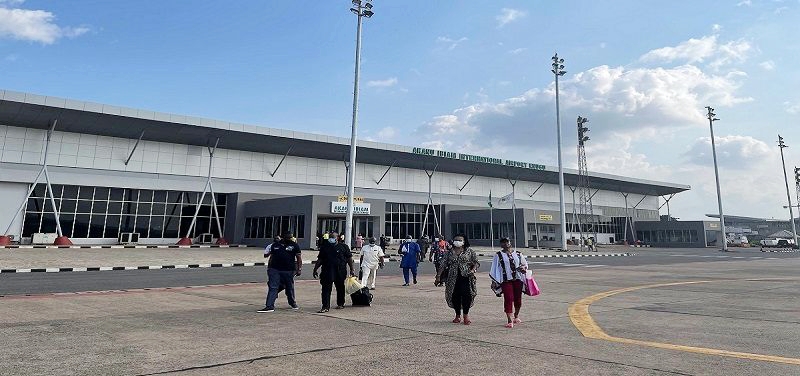
Aviation Minister Festus Keyamo and Imo State Governor Hope Uzodinma struck a sudden pact on Friday to shut Sam Mbakwe International Cargo Airport in Owerri for twenty-five days starting on 20 October, cutting off a critical eastern transit gateway just weeks before the lucrative Christmas travel rush begins across Nigeria. Crumbling tarmac grounds regional commerce overnight. Heavy monsoon downpours cracked open deep potholes and jagged fissures across the single runway, exposing how years of deferred maintenance by the Federal Airports Authority of Nigeria regularly turn ordinary seasonal rainfall into an acute infrastructure emergency that paralyses air travel and supply chains across five south-eastern states.
The federal transport ministry presents this twenty-five-day shutdown as an ambitious joint modernisation drive with the Imo state government to rebuild broken asphalt sections, patch crumbling sub-base foundations, and stretch the runway strip so that international wide-body cargo planes can finally land directly in the commercial heartland of the South-East. Emergency repairs expose years of institutional neglect. Civil aviation regulators noticed the rapidly degrading runway pavement many months ago, yet senior bureaucrats chose to drag their feet until autumn floods threatened immediate structural collapse, forcing engineering crews into a desperate race against the calendar while tens of thousands of passengers face sudden, chaotic travel diversions.
Major domestic carriers including Air Peace, United Nigeria Airlines, and Ibom Air must now redirect their scheduled daily Owerri flights to alternative regional tarmacs in Asaba, Enugu, and Port Harcourt, passing enormous logistical headaches, higher ticket prices, and extra road transit expenses straight onto travelling families. Dangerous highways multiply every traveller’s risk. Passengers landing in Asaba or Enugu must now hire private security escorts and navigate dozens of predatory security checkpoints along crumbling interstate roads, proving that fixing airport tarmac without securing federal road links simply drives helpless citizens out of the sky and into the hands of highway robbers.
The Owerri terminal handles immense commercial cargo volumes for agricultural dealers, electronics importers, and industrial spare-parts merchants, yet federal aviation managers continue to treat basic runway maintenance as an occasional crisis rather than a routine daily obligation that requires steady capital investment, strict oversight, and preventive engineering. Total shutdowns betray poor operational planning. Modern global air hubs manage runway resurfacing through phased night shifts without cutting off commercial flight operations entirely, whereas Nigerian authorities consistently pick the bluntest administrative tool by locking terminal gates and forcing local car-hire drivers, food vendors, and hotel operators to absorb crushing income losses.
Governor Uzodinma insists that engineering contractors will finish the asphalt resurfacing and runway expansion works by the middle of November, yet Nigerian public works history suggests that bureaucratic payment disputes, rising material costs, and sudden rain delays regularly derail even the most confident government delivery promises. Late project delivery carries severe economic pain. Should construction drag into December, Owerri will face the peak Christmas homecoming season with padlocked gates, stranding hundreds of thousands of returning diaspora workers, wiping out seasonal retail trade across Imo State, and demonstrating the steep national price that ordinary citizens pay for reactive government planning.