
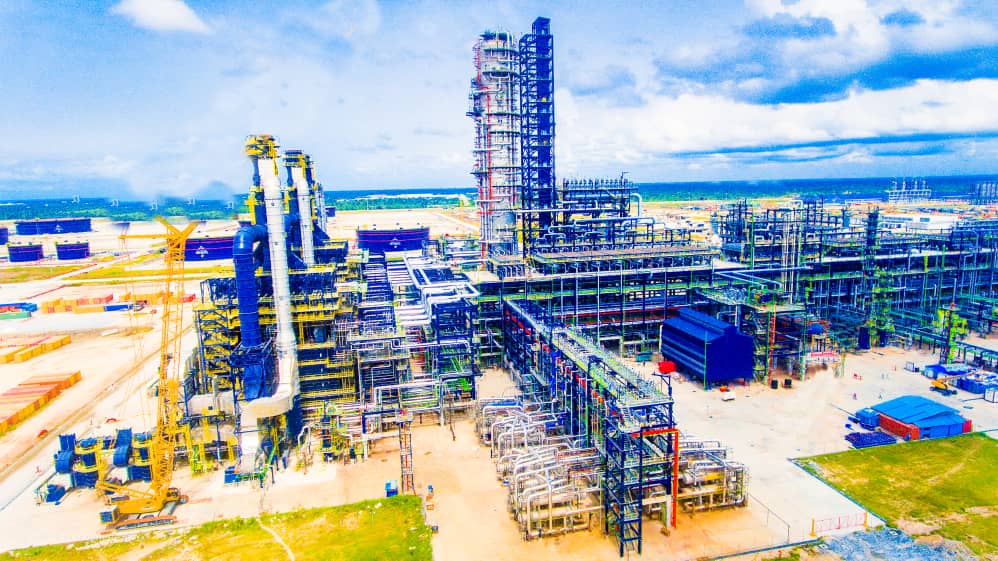
The Dangote Petroleum Refinery has reduced the price of its aviation fuel to 1,650 Naira per litre from 1,750 Naira. The 100 Naira reduction follows a series of state-led interventions designed to prevent the grounding of domestic flight operations. Alongside the price cut, the refinery has introduced a 30-day interest-free credit facility for registered oil marketers and domestic airlines, provided it is backed by commercial bank guarantees. Crucially, the firm is also shifting its aviation fuel contract structures from a dollar-denominated framework to a Naira-based model. This adjustment offers vital breathing room to an industry crippled by rising operational costs and volatile foreign exchange rates.
The sudden pricing policy change represents a major concession from the 650,000-barrel-per-day mega-refinery. Fuel costs usually consume over 40% of a domestic carrier’s total operating budget, making airlines hypersensitive to refinery-gate pricing. The Airline Operators of Nigeria had previously warned that soaring fuel costs were threatening the survival of commercial aviation. By absorbing some of these costs, the refinery is attempting to stabilize the downstream supply chain. It also gives the federal government a temporary victory in its campaign to lower the cost of doing business.
The most significant structural reform is the elimination of greenback pricing for local aviation fuel purchases. Forcing domestic airlines to buy locally refined fuel in foreign currency had created a bizarre loop that amplified market inefficiencies. Under the new local-currency regime, operators can plan their flight schedules without constantly checking the parallel market dollar rates. The inclusion of a month-long credit grace period also resolves immediate cash-flow bottlenecks for struggling airlines. It shifts the burden of liquidity from small, fragile airlines to the balance sheet of the industrial conglomerate.
This pricing intervention was brokered directly by the Ministry of Aviation following weeks of tense regulatory meetings. Aviation Minister Festus Keyamo has been under intense public pressure to address skyrocketing airfares that have priced the middle class out of the domestic air travel market. While the state maintains that it operates a liberalized free-market system, the ministry made it clear that monopolistic price shocks would not be allowed to paralyze national transport infrastructure. The intervention proves that the state remains willing to use heavy administrative pressure to protect public utility services from raw market forces.
Whether this 100 Naira price cut will translate into cheaper passenger tickets remains highly doubtful. Commercial airlines are still grappling with high airport taxes, expensive spare parts import duties, and general wage inflation. Most operators will likely use the fuel savings to repair their damaged balance sheets rather than lower ticket prices for travellers. True structural relief for passengers requires long-term competition in local refining, not just occasional corporate charity. Until alternative domestic refineries come online to challenge the Lekki plant, the aviation industry remains dangerously dependent on a single supplier.