
Nigeria’s power distribution companies installed 301,726 prepaid electricity meters across July and August, shaving a sliver off a stubborn metering deficit that still leaves 4.70 million grid consumers at the mercy of arbitrary estimated bills. Fresh regulatory data released by the Nigerian Electricity Regulatory Commission in Abuja shows that utility operators picked up their deployment pace, moving thousands of long-suffering households onto consumption-based tariffs. Slow progress beats total paralysis. The modest achievement demonstrates that constant regulatory pressure can push recalcitrant energy monopolies to track actual power consumption, though millions of angry families still pay concocted monthly invoices for electricity that local transmission grids never actually delivered to their neighbourhood transformers.
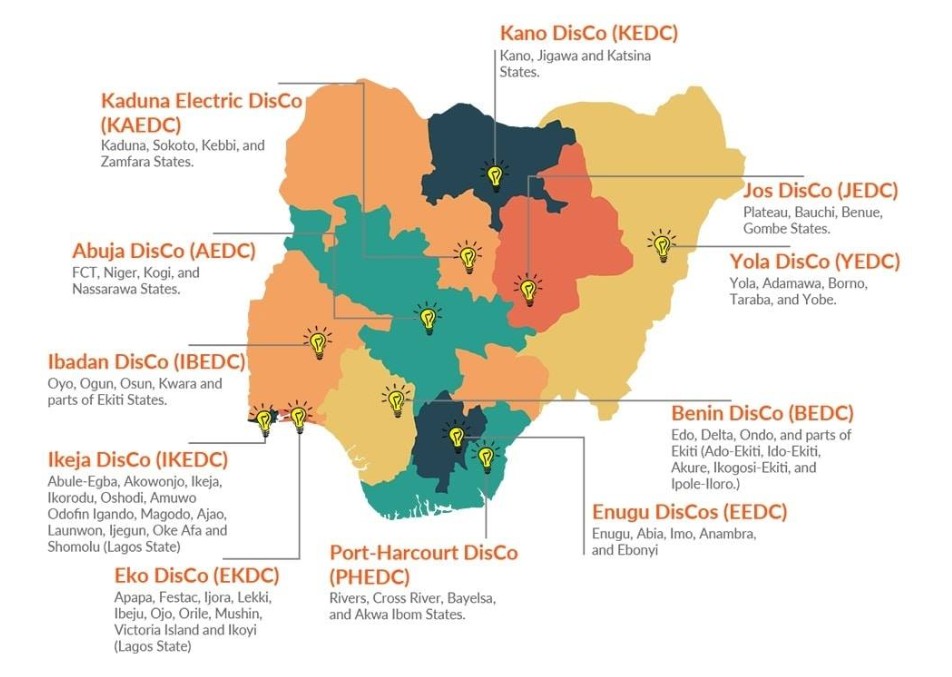
Port Harcourt Electricity Distribution Plc led the operational turnaround during the two-month surge, expanding its installations from 17,093 units in July to 26,556 units in August to cross the seventy-one per cent metering mark and move into the green regulatory band. Coastal power desks finally found their stride. Ikeja Electric held the top spot nationwide despite its coverage easing from 87.90 per cent to 87.74 per cent, whilst regional peers in Benin, Ibadan, and Enugu lingered in the amber zone with coverage numbers hovering between fifty-two and sixty-four per cent. The stark geographic split proves that commercial returns and meter penetration correlate directly with local billing solvency, leaving southern city centres with far better device coverage than rural agricultural belts.
Four northern distributors, Jos, Kaduna, Kano, and Yola, stayed trapped inside the red operational band with comprehensive metering figures lingering below fifty per cent. Sub-fifty performance breeds chronic commercial default. Jos climbed to 37.60 per cent, Kaduna edged up to 42.32 per cent, Kano reached 42.84 per cent, and Yola crept to 39.15 per cent, showing that northern franchises struggle to collect cash from low-income residential areas where illegal wire taps and destroyed substations keep collection efficiency near forty per cent. Power firms operating across the savannah face a classic commercial trap, because empty balance sheets prevent them from buying prepaid meters in volume, while unmetered consumers refuse to settle inflated estimated invoices for blacked-out circuits.
Energy distributors treat estimated billing as a guaranteed revenue tap rather than an operational embarrassment, because calculating imaginary power bills lets private operators pass system losses and stolen electricity straight onto compliant households. Paper bills disguise massive grid leakages. The commission has capped monthly estimated charges and fined errant utility bosses hundreds of millions of naira, but distributors routinely absorb these mild statutory sanctions as ordinary trading overheads while keeping millions of urban flats off the digital grid. The regulator must make unmetered electricity unprofitable for distribution boards, or cash-strapped power firms will drag out national meter deployment until the next decade to protect their lazy commercial margins.
Closing the remaining 4.70 million meter deficit demands that federal energy managers stop treating basic metering hardware as an imported luxury and back local assembly factories with cheap credit lines. Devaluation inflates the cost of imported measuring instruments. Until Nigerian electricity consumers can verify every single kilowatt-hour through functional wall units, trust will elude the electricity market, commercial debt will mount across the distribution value chain, and citizens will view private utility managers as predatory tax farmers rather than commercial power suppliers.