
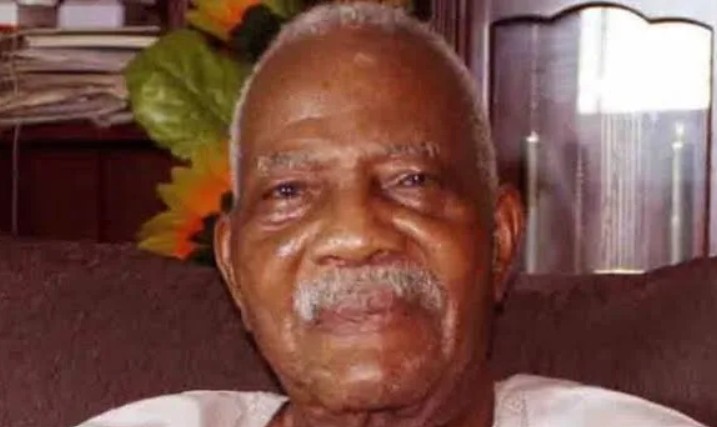
Pa Reuben Famuyide Fasoranti, the centenarian patriarch of the pan-Yoruba socio-political organisation Afenifere, died peacefully in his sleep at the age of 100 on Tuesday, 20 October 2026, at his Akure residence, drawing swift national tributes from former President Olusegun Obasanjo, Ondo State Governor Lucky Aiyedatiwa, and President Bola Tinubu. Old political titans exit the stage quietly. His son, Ondo State Government Secretary Taiwo Fasoranti, confirmed that the family chose grateful celebration over conventional mourning, honouring a remarkable century of steadfast public integrity that anchored southwestern political thought through brutal military dictatorships, turbulent constitutional conferences, and the fragile return of civilian democracy.
Obasanjo praised Fasoranti as one of the last surviving titans of an idealistic founding generation that laid the institutional bedrock for modern Nigeria through honest public service, immense personal sacrifice, and unyielding commitment to democratic norms across six turbulent decades of national history. Moral authority outlasts raw executive power. Governor Aiyedatiwa led senior state officials on a solemn condolence visit to the family residence along Ijapo Road on Wednesday morning, saluting an elder statesman whose quiet demeanour, sharp intellect, and steadfast courage guided regional governance without the petty vanity and noisy theatrical displays common to modern officeholders.
President Tinubu issued a personal tribute honouring the centenarian as a foundational pillar of Chief Obafemi Awolowo’s progressive political family, recalling how Fasoranti received him warmly at his Akure home before the 2023 polls and boldly foretold his eventual ascent to the Nigerian presidency despite fierce opposition. Shrewd old men read political winds early. Fasoranti established his reputation for administrative excellence during the Second Republic as Ondo State Commissioner for Finance under Governor Adekunle Ajasin, where he husbanded cocoa revenues with disciplined frugality to bankroll universal primary schooling and free rural medical clinics without saddling future generations with foreign debt.
The Afenifere patriarch spent four decades championing the cause of true fiscal federalism and regional devolution, warning successive military and civilian rulers that an overbearing central government in Abuja would inevitably smother local initiative, misallocate oil wealth, distort economic incentives, and impoverish constituent ethnic nationalities across the federation. Principled resistance exacts a heavy personal price. Even when painful personal bereavement struck his household and bitter factional disputes divided southwestern elders over rival presidential endorsements in recent election seasons, Fasoranti kept his door open to competing camps, preserving his Akure parlour as an indispensable court of conciliation for feuding politicians.
His death creates an immense intellectual and moral void within Yoruba politics at a delicate historical juncture when traditional regional blocs struggle to retain relevance against opportunistic younger politicians who regard elective office as private commercial enterprise rather than a solemn public trust. Great shoes prove hard to fill today. Dozens of state governors, party barons, and federal officials will flock to Akure to deliver lavish eulogies and praise his legendary personal austerity, yet their public grief will ring entirely hollow unless they abandon predatory politics, protect ordinary citizens from hunger, and emulate the selfless discipline that defined his century of life.