
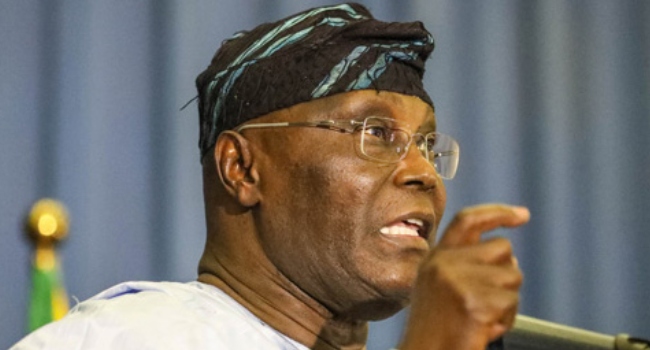
Former Vice-President Atiku Abubakar demanded a full public audit of the N10bn emergency Ebola fund on Friday, 23 October 2026, accusing President Bola Tinubu’s administration of dangerous bureaucratic inertia following the confirmed infection in Abuja. The political opposition seized upon contradictory official statements after the ruling All Progressives Congress claimed the special contingency allocation remains untouched despite the arrival of the deadly virus. Unused emergency cash saves zero lives. The former vice-president pressed federal authorities to publish bank records, treasury warrants, and task force ledgers to prove whether the money sits in state accounts or vanished during routine bureaucratic delays.
A nine-day diagnostic delay inside the capital city exposed serious gaps in frontline clinical defences and airport screening routines. The international traveller developed high fever on 7 October and entered a private clinic on 11 October, yet reference laboratories confirmed the haemorrhagic infection only on 20 October. Sluggish testing puts medical workers at risk. Atiku pointed out that private ward staff attended to the patient without protective suits while 44 close associates moved across the Federal Capital Territory unmonitored for over a week.
Ruling party strategists attempted to deflect public scrutiny by claiming existing agency budgets absorbed initial response costs, but this excuse merely confirms that the state failed to deploy emergency funds when danger appeared. Ministers cannot claim readiness while frontline clinics run short of basic rubber gloves and isolation tents. Paper contingency plans offer very poor protection. The opposition warned the administration against using the health scare to restrict public gatherings or suppress voter turnout ahead of the 2027 general elections.
Public health emergency measures must rest upon transparent scientific evidence rather than political expediency or heavy-handed policing. Suspicious delays erode citizen trust during epidemics. The presidency must disclose the precise sequence of institutional alerts between the arrival of the traveller from Uganda and the lockdown of the private clinic. Rebuilding popular confidence requires open government records and prompt contact tracing rather than defensive political rhetoric from party secretariats.
The federal government owes vulnerable health workers immediate protective equipment and prompt hazard pay to keep containment teams motivated across urban transit hubs. Health workers take massive risks during outbreaks. If the health ministry leaves municipal clinics under-equipped while hoarding billions in emergency funds, secondary infections will overwhelm capital medical wards very quickly. True epidemic readiness demands decisive cash deployment, transparent auditing, and disciplined medical detective work rather than partisan disputes over administrative pronouncements.