
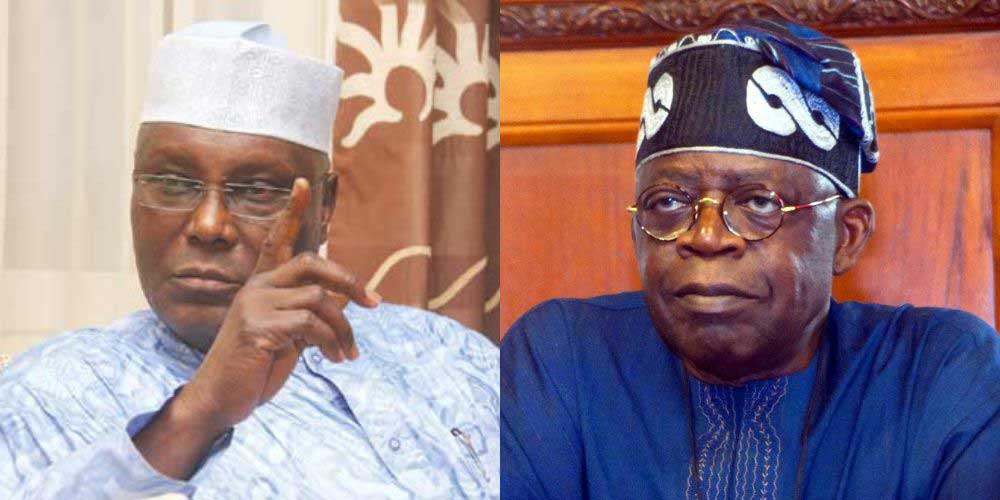
Atiku Abubakar fired back at President Bola Tinubu on Friday, accusing the presidency of confusing public suffering with sound economic management. The former vice-president responded after Tinubu mocked his proposal to restore and restructure petrol subsidies as a sign of serious ignorance. In a statement released through his media aide Phrank Shaibu, Atiku argued that soaring public accounts mean nothing when household purchasing power collapses. He described the administration’s reform programme as economic arson followed by propaganda about the ashes. Real poverty cannot hide behind rosy treasury balances. The angry exchange sets the tone for an aggressive policy clash ahead of the 2027 polls.
Tinubu provoked the spat during a meeting with Osun State Governor Ademola Adeleke at the Presidential Villa on Thursday. The president insisted that scrapping petrol subsidies rescued sub-national governments from total bankruptcy. He noted that twenty-seven states could not pay monthly salaries or pensions before his team took office. According to the president, monthly allocations now fund critical roads, clinics, and teacher training across the federation. Higher allocations keep provincial civil services running. Tinubu dismissed calls to revive fuel subsidies as dangerous economic populism.
Atiku rejected the president’s defence, demanding a full accounting of the trillions saved from subsidy cuts. He noted that while federation revenues tripled, living conditions for ordinary citizens worsened significantly. The opposition candidate accused the government of shifting crude market risks entirely onto private household pockets. He claimed that opaque costs and fiscal leakages still plague state oil operations. Propaganda cannot replace transparent public accounting books.
The opposition camp is promoting a restructured subsidy model tied directly to domestic refining output. Atiku wants to cap price support and direct public aid toward local refiners rather than fuel importers. His aides argue that targeted domestic interventions can lower transport expenses without bleeding foreign reserves. Yet critics wonder how a cash-strapped treasury would fund price caps without printing fresh money. Subsidies always invite political abuse and smuggling. Campaign promises often overlook basic fiscal arithmetic.
Nigerian households continue to endure crushing inflation following consecutive price shocks since mid-2023. Food transport bills and energy expenses have eaten up recent wage increases across urban hubs. State governors now enjoy record monthly revenue distributions from the federation account. The stark contrast between rising state receipts and falling living standards. Cash windfalls rarely reach vulnerable citizens in rural towns. Hard arithmetic continues to test public patience.
The war of words reveals a deep divide over how to manage Nigeria’s post-reform economy. Tinubu believes fiscal shock therapy will eventually draw long-term capital into domestic production. Atiku counters that unbuffered price shocks destroy consumer demand and ruin local enterprise before gains materialise. Neither side has built an affordable mass transit system to cushion daily commuter costs. Both politicians understand that petrol prices will dominate the 2027 campaign trail. Voters will judge both men by their pocketbooks.