
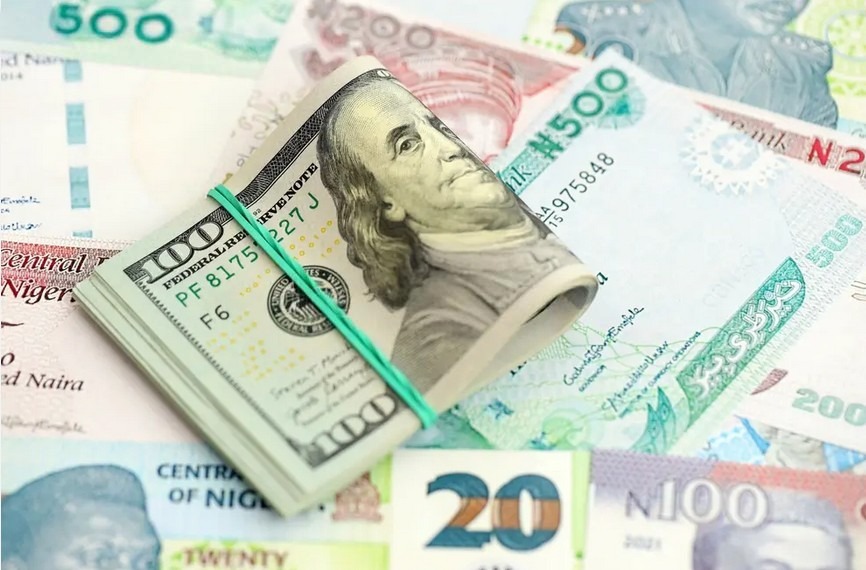
Trading across Nigeria’s foreign exchange venues opened with subtle movements as the local currency navigated persistent demand pressure. Official transactions at the Nigerian Foreign Exchange Market commenced around N1,339.93 to the United States dollar on 27 October 2026. This performance reflects mild adjustments from recent sessions where clearing rates hovered within the N1,330 to N1,360 threshold.
Parallel market dealers across major commercial nodes in Lagos and Abuja maintained wider spreads to manage immediate physical liquidity demands. Unofficial operators quoted dollar purchasing rates near N1,370 while offering sales to customers between N1,380 and N1,385 per dollar. These spreads leave buyers paying roughly N1,385,000 to secure a standard thousand-dollar tranche in open trading.
Persistent demand from corporate importers keeps domestic currency values under pressure despite substantial backing from foreign exchange reserves. Central bank reserves retain a comfortable buffer above $55 billion, yet local market liquidity remains tightly tied to strategic interventions. Importers face continuous cost adjustments as structural demand routinely outpaces immediate dollar allocations provided through official channels.
Central bank monetary measures attempt to anchor domestic prices while maintaining relative stability across both trading windows. Narrow gaps between official and unofficial rates show improved convergence compared to historic distortions, though retail margins stay elevated. Local businesses adjust pricing models regularly to hedge against sudden shifts in transaction costs when settling overseas invoices.
Global oil price volatility and shifting foreign capital flows continue to influence domestic currency availability in the medium term. Crude receipts provide essential support to external balances, yet domestic economic operators routinely seek alternative liquidity sources during supply lulls. Higher dollar costs directly translate into elevated landed expenses for industrial raw materials, consumer items, and manufacturing machinery.
Market analysts expect daily exchange rates to track intervention volumes and export earnings throughout the current financial quarter. Financial institutions continue monitoring the Central Bank of Nigeria’s operational guidelines to gauge potential shifts in market liquidity rules. Corporate treasury departments maintain cautious positions while assessing structural policy changes across Nigeria’s wider foreign exchange framework.