
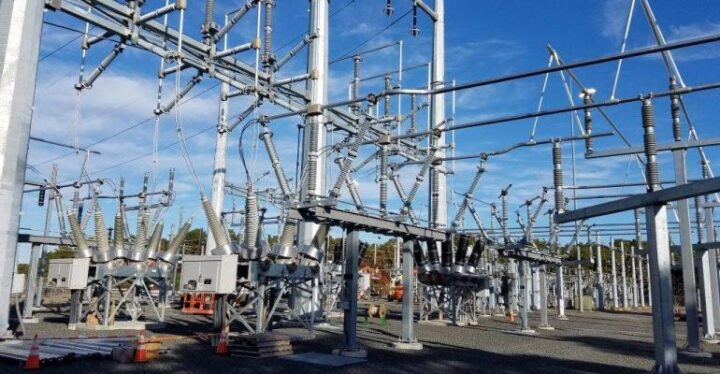
Nigeria plans to raise its power generation capacity to 70,000 megawatts by 2030. Minister of Power Joseph Tegbe announced the target at an energy summit in Lagos on Tuesday. The plan sounds impressive on paper, but state officials struggle to wheel 5,000 megawatts across the national grid today.
Paper plans mean little to businesses that run on costly diesel generators. The country holds over 13,000 megawatts in installed generation capacity across its power stations. Gas shortages, weak transmission lines, and unpaid debts keep more than half that capacity idle. Setting a target fourteen times higher than current output without fixing basic transmission bottlenecks strains credulity.
The Ministry of Power plans to build an East-West grid expansion to carry power along key commercial routes. Officials also want to convert 21 irrigation dams along the Sokoto-Badagry road into small hydroelectric plants. These projects aim to support local industries and agricultural processing centres. Broad plans to tap small rivers will not solve the sector’s chronic financial liquidity crisis.
Gas-fired power plants supply roughly 70 per cent of the national grid. Many of these plants operate well below capacity because state agencies owe gas suppliers trillions of naira. The government cleared 1.23 trillion naira in legacy debts recently to keep turbines spinning. Total debts owed to generation companies still exceed 2 trillion naira.
State governments now hold constitutional powers to build independent electricity markets within their borders. Lagos, Edo, and Enugu have already started setting up regional power regulations to attract private capital. These state initiatives offer a realistic escape route from centralised grid collapses. National authorities should focus on local distribution networks rather than chasing massive generation numbers.
Reaching 70,000 megawatts within four years requires massive private investment and structural market reforms. Foreign investors will not sink capital into a market where distribution companies fail to collect revenues. Fixing broken meters, stopping electricity theft, and paying gas suppliers must come first. Nigeria needs working power lines today, not grand promises for 2030.