
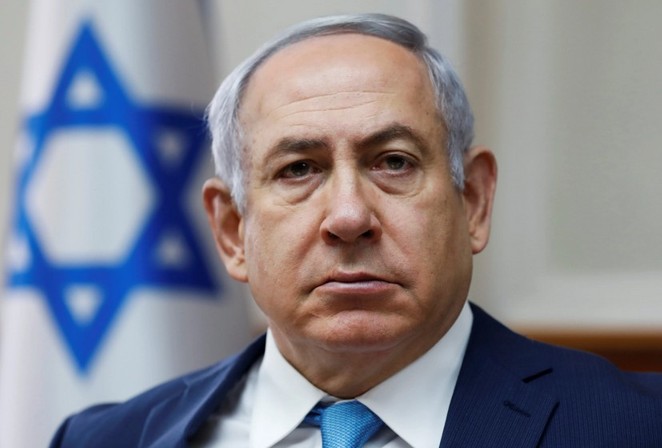
Israeli voters delivered an inconclusive verdict on Tuesday, leaving Prime Minister Benjamin Netanyahu without a clear majority or a straightforward path to power. Early returns and preliminary exit tallies from the 27 October general election show neither Netanyahu’s right-wing bloc nor the opposition alliance securing the 61 seats needed to command the 120-seat Knesset. Netanyahu’s Likud captured roughly 26 seats, leading the national field, but the prime minister remains hostage to the mathematical arithmetic of a deeply fractured parliament. The outcome sets off weeks of fraught coalition bargaining that could easily land the country back at the ballot box.
Centrist challenger Gadi Eisenkot, the former military chief leading the Yashar party, mounted a formidable campaign that eroded Netanyahu’s traditional security appeal. Eisenkot’s party secured approximately 21 seats, establishing him as the primary figurehead for voters eager to end Netanyahu’s 19-year reign over national politics. Naftali Bennett’s Together party captured 12 seats, positioning the former prime minister as a crucial kingmaker in the coming negotiations. Both leaders ran aggressively on Netanyahu’s handling of the post-7 October wars, economic stagnation, and his ongoing corruption trials.
Netanyahu’s immediate political survival rests on preserving his alliance with far-right nationalists and ultra-Orthodox factions. Itamar Ben-Gvir’s Otzma Yehudit and Bezalel Smotrich’s Religious Zionist Party captured seven and six seats respectively, while religious parties Shas and United Torah Judaism brought seven seats each. However, fierce disputes over military conscription exemptions for Haredi scholars threaten to fracture this right-wing coalition before talks formally begin. Netanyahu’s reliance on these extremist allies continues to alienate moderate lawmakers whose support he desperately needs to form a stable cabinet.
The diplomatic backdrop adds severe pressure to Netanyahu’s political calculus as international patience with his administration wears thin. Netanyahu actively highlighted a last-minute endorsement from United States President Donald Trump during the campaign’s closing days to project international strength. Yet ongoing regional hostilities, rising military casualties, and severe economic costs from multi-front conflicts have eroded voter patience across urban strongholds. Opposition figures insist that Israel’s growing international isolation requires fresh, pragmatic leadership in Jerusalem.
President Isaac Herzog will soon begin formal consultations with elected party leaders to assign the mandate for forming a government. The candidate designated by Herzog receives a 28-day window to assemble a working majority, with a potential 14-day extension available under law. If Netanyahu fails to construct a viable coalition within that timeframe, the mandate passes to opposition leaders or triggers another snap election. The standard threshold of 3.25 per cent prevented several smaller fringe movements from entering parliament, concentrating power among established blocs.
The political paralysis guarantees prolonged instability for a country navigating delicate security arrangements across the Middle East. Even if Netanyahu manages to piece together a paper-thin majority, his government will face constant friction from internal coalition spats. A shift toward an opposition-led unity government would alter Israel’s political leadership style without necessarily changing its core security stance toward regional rivals. Israelis now face a protracted period of political paralysis while party leaders trade cabinet posts to break the electoral deadlock.