
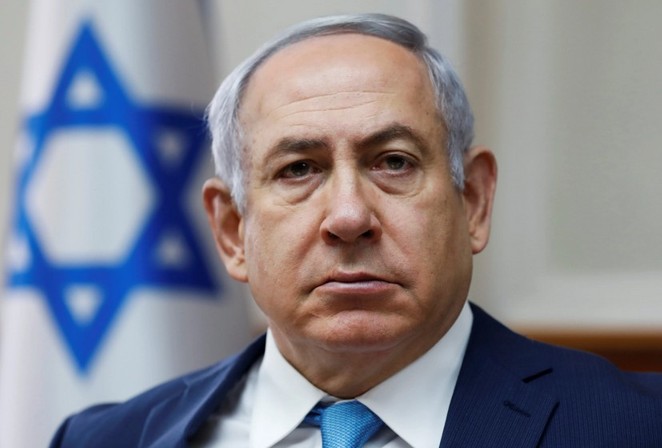
Israelis began voting on Tuesday in a high-stakes national election that serves as a direct referendum on Prime Minister Benjamin Netanyahu. The veteran leader faces the fight of his political career as voters weigh his handling of the war following the 7 October 2023 attacks, his ongoing trial on corruption charges, and the severe economic strain from prolonged regional conflicts. Polling stations across the country will close at 2000 GMT, setting the stage for a tight tally that may leave no single candidate with a clear path to power.
Former military chief Gadi Eisenkot, leading the centrist Yashar party, has emerged as Netanyahu’s principal challenger. Eisenkot has projected an image as a humble security hawk, leveraging his military record and personal family sacrifices in Gaza to starkly contrast with Netanyahu’s 19 years in high office. Former Prime Minister Naftali Bennett has also mounted a strong challenge with his Together party, focusing his campaign on national healing and recovering from international isolation.
The electoral landscape remains deeply fractured across the 120 seats of the Knesset. A governing coalition requires at least 61 seats, but opinion polls indicate neither Netanyahu’s Likud-led right-wing bloc nor the opposition alliance holds a clear majority. Far-right figures like National Security Minister Itamar Ben-Gvir and Finance Minister Bezalel Smotrich remain crucial to Netanyahu’s arithmetic, though deep divisions over Haredi military conscription continue to threaten coalition stability.
On the eve of the vote, Netanyahu actively touted an endorsement from United States President Donald Trump, seeking to bolster his image as an indispensable global statesman. His campaign insists that strong leadership is vital to manage multi-front security threats from Iran and its regional proxies. However, critics accuse his government of failing to prevent the devastating 7 October security breach and mishandling the subsequent wars, which flattened large swathes of Gaza and left tens of thousands dead.
A defeat for Netanyahu could produce a new administration with a distinctly different political style, though core foreign policy positions would likely remain firm. Leading opposition figures maintain hawkish stances on national security, showing little appetite for a Palestinian state in the short term. The proportional representation system, which requires parties to clear a 3.25 per cent threshold to enter parliament, means small swings in turnout could alter the final distribution of seats dramatically.
Official election results will be confirmed by 4 November, but initial exit polls will offer an immediate window into the prime minister’s political fate. Should the vote produce another political deadlock, Israelis could face arduous coalition negotiations or the prospect of yet another cycle of political instability. For now, Netanyahu relies on his long-standing reputation as an unmatched political survivor to weather his most difficult test at the ballot box.