
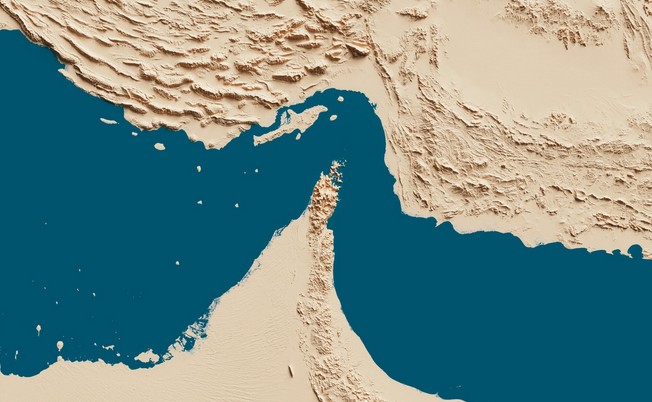
Two oil tankers and an assisting tugboat caught fire in the Strait of Hormuz on 4 November 2026 after striking naval mines inside restricted sea lanes. Iran’s Islamic Revolutionary Guard Corps confirmed the explosions, blaming foreign vessels for ignoring radio warnings and navigating unauthorised transit corridors. The maritime disaster marks a sharp escalation in the strategic waterway that carries one-fifth of global crude consumption.
The first vessel, a large oil tanker, hit a naval mine while navigating a restricted southern passage and drifted to a dead stop. Hours later, a second supertanker caught fire while exiting the eastern corridor of the strait. A commercial tugboat that rushed to assist the burning supertanker also caught fire, stranding support crews.
Tehran claims foreign ships continue to violate strict maritime navigation rules established since regional hostilities began in February. Iranian electronic warfare units also claimed responsibility for intercepting two American uncrewed combat drones near the operational sector. US military officials deny losing control of any aerial drones in the region.
Western naval task forces continue escorting commercial energy vessels through disputed Persian Gulf shipping lanes despite Iranian blockade threats. Federal intelligence analysts warn that hidden sea mines pose severe dangers to international energy trade and commercial shipping fleets. Disrupted oil exports threaten to drive global energy prices higher across major Western consumer markets.
Commercial shipping firms face rising marine insurance rates as physical security along the Middle Eastern sea lane crumbles. Salvage operations remain extremely hazardous due to unexploded sea mines and active naval patrols across the narrow sea corridor. Energy market traders brace for extended shipping delays as maritime traffic slows to a crawl.
Clearing the Strait of Hormuz demands international maritime cooperation and active mine-clearing naval operations. National authorities must secure vital sea routes to protect global crude supplies and prevent further loss of human life. Free navigation forms the foundation of international trade.