
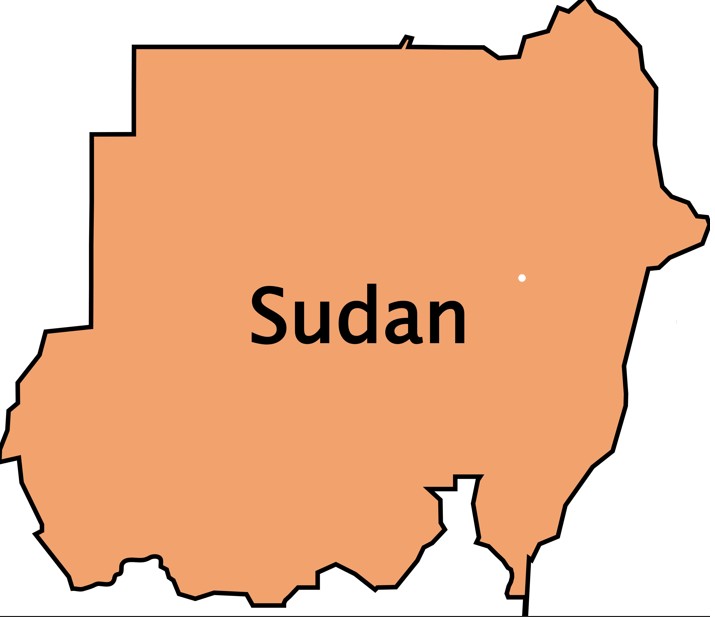
The conflict in Sudan has entered its fourth year with no decisive victor in sight, leaving the nation bifurcated and its population in the throes of a humanitarian catastrophe. While the Sudanese army has regained the initiative in the central and northern regions, the paramilitary Rapid Support Forces (RSF) have consolidated their grip on the west. This military impasse has created a de facto partition of the country, with the army holding the seat of government in Khartoum and the RSF governing the vast Darfur and Kordofan territories.
The past year saw significant territorial shifts that defined this stalemate. In May 2025, the Sudanese army achieved its most significant tactical success by recapturing Khartoum State, allowing the government to return to the capital from its temporary base in Port Sudan. This was followed by the recovery of Wad Madani and strategic gains across North and South Kordofan. However, these successes were countered by the RSF’s capture of el-Fasher in October, effectively ending the army’s presence in North Darfur and emboldening the paramilitary group to seize the Heglig oilfield, the nation’s largest energy asset.
Political developments have mirrored the fractured military landscape. The appointment of Kamil El-Tayeb Idris as Prime Minister in May 2025 marked the first civilian government since the 2021 coup, yet its authority remains geographically limited. In a direct challenge to the sovereign authorities, an RSF-led coalition announced a parallel government last July. This administrative schism threatens to make permanent the division between the eastern and western states, as both sides seek to establish competing governance structures.
The human cost of this protracted struggle is staggering. International agencies report that 14 million people have been displaced since the war erupted in April 2023, while 26 million face acute food insecurity. Although nearly four million people have attempted to return to their homes in Khartoum and Gezira, they find a collapsed economy where the Sudanese pound has plummeted, and basic goods are unaffordable. The humanitarian crisis is particularly dire in Darfur, where the RSF siege and subsequent capture of regional capitals have disrupted all aid corridors.
External actors continue to shape the conflict’s trajectory. The army has recently modernised its arsenal with drones to strike supply lines, while the RSF reportedly relies on mercenaries from South Sudan and logistical support funneled through neighbouring borders. Allegations of Ethiopian involvement in the capture of Kurmuk have further strained regional ties. Despite peace plans presented by the United States, Saudi Arabia, Egypt, and the UAE, diplomatic breakthroughs remain elusive as regional powers treat Sudan as a theatre for proxy competition.
Military analysts anticipate a continuation of this debilitating “stagnation” into the fourth year. The balance of power currently tilts slightly toward the army, yet the RSF’s control of the oil-rich west provides them with the leverage to sustain a long-term insurgency. As global attention remains fixed on the energy crisis sparked by the US-Israeli conflict with Iran, Sudan’s civil war risks becoming a forgotten, permanent feature of the North African landscape.