
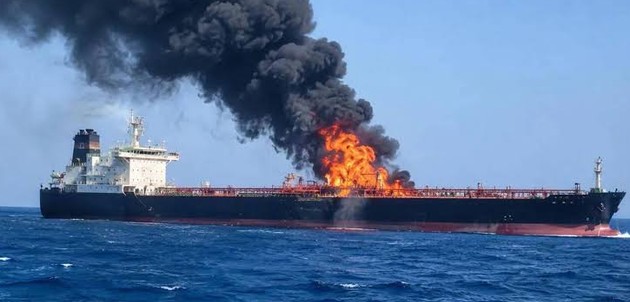
Fresh naval explosions rocked commercial shipping in the Strait of Hormuz on 2 November 2026, destroying non-compliant oil tankers and an offshore tugboat along unauthorised transit routes. The Islamic Revolutionary Guard Corps claimed full responsibility for deploying maritime mines to punish commercial vessels operating without clearance from Iranian port controllers. Regional rescue teams pulled dozens of sailors from burning hulls as maritime security agencies confirmed that a vessel sank off the coast of Oman.
US President Donald Trump dismissed the fresh naval carnage during a mid-term campaign speech in Iowa, promising voters that the multi-billion-dollar conflict will end very soon. Trump defended elevated global energy costs near 115 dollars a barrel as a very small price to pay for crippling Tehran’s nuclear ambitions. He assured international energy markets that fuel prices will plunge once American military units complete their tactical objectives across the Gulf.
Military reality across the waterway contradicts the white-hot optimism coming out of Washington political rallies. Iranian coastal batteries continue to enforce a de facto blockade over primary energy export corridors despite heavy American airstrikes. Disregarding Iranian radio warnings carries severe financial and physical penalties for commercial shipowners seeking to move crude oil.
Rising global energy prices present severe political challenges for Western leaders facing imminent legislative elections. Higher transport expenses hit household budgets hard while pushing central bank inflation targets out of reach across major consumer economies. Pumping foreign naval escorts into the narrow strait fails to prevent Iranian forces from seeding stealthy sea mines along key shipping channels.
Diplomatic efforts led by Qatari mediators remain stalled as both warring sides trade uncompromising security demands. Tehran insists that foreign military forces must vacate the region before maritime traffic can resume standard commercial operations. Meanwhile, Western intelligence agencies warn that global shipping lines must brace for prolonged supply disruptions across Middle Eastern transit points.
Sustained combat operations inside the Gulf will keep crude oil prices elevated regardless of political assurances. Navigating mined waters without coastal clearance risks catastrophic vessel loss and global market disruption. World energy markets need actual security along international sea lanes rather than political slogans from foreign campaign trails.