
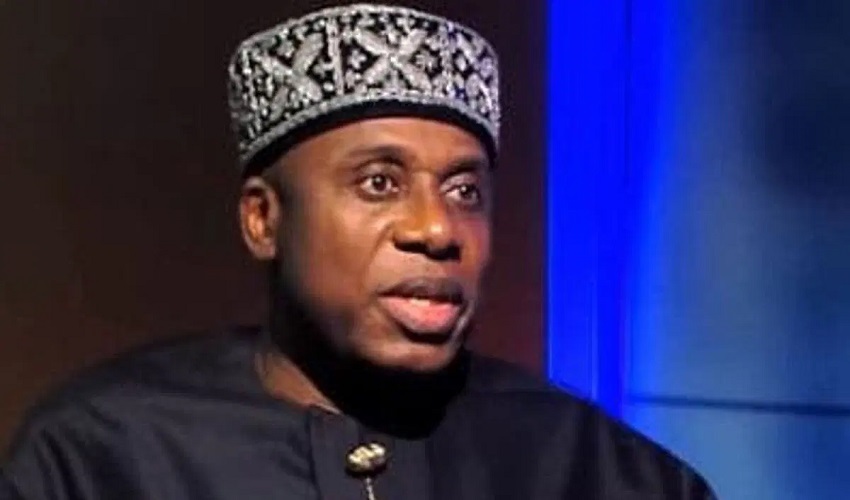
Former transportation minister Rotimi Amaechi accused the ruling All Progressives Congress of abandoning policy debates to focus obsessively on opposition figures. Speaking during a media interview in Lagos on 10 November 2026, the opposition running mate claimed the ruling party avoids core economic realities. He argued that state strategists deliberately subvert substantive public discussion on security, housing, and food inflation.
Political campaigns ought to centre on measurable governance outcomes rather than partisan mudslinging. Ruling party surrogates prefer personal attacks over defending their record across state rallies. Amaechi noted that government speakers repeatedly mention opposition names instead of laying out clear economic roadmaps for voters.
Economic pressure continues to strain household budgets across the federation. Voters face soaring living costs alongside persistent security challenges in rural agricultural hubs. The opposition candidate insisted that any credible campaign must present concrete solutions for these fiscal and operational pressures.
State officials counter that their campaign showcases structural achievements in infrastructure and power sector reforms. They argue that opposition critiques downplay long-term investments designed to stabilise the domestic economy. However, critics view the government’s public communications as an attempt to hide administrative shortfalls behind political rhetoric.
Intra-party friction remains high as politicians prepare for the upcoming national election cycle. Amaechi previously lost the ruling party presidential primary before joining the opposition ticket alongside former vice-president Atiku Abubakar. His sharp criticism reflects deepening divisions among political elites over national development priorities.
Public debates need transparent evaluations of policy proposals rather than political diversion. Electoral integrity depends on voters assessing candidates through competing blueprints for national growth. Whether the ruling administration shifts its campaign focus toward policy defence will shape the political discourse ahead of polling day.