
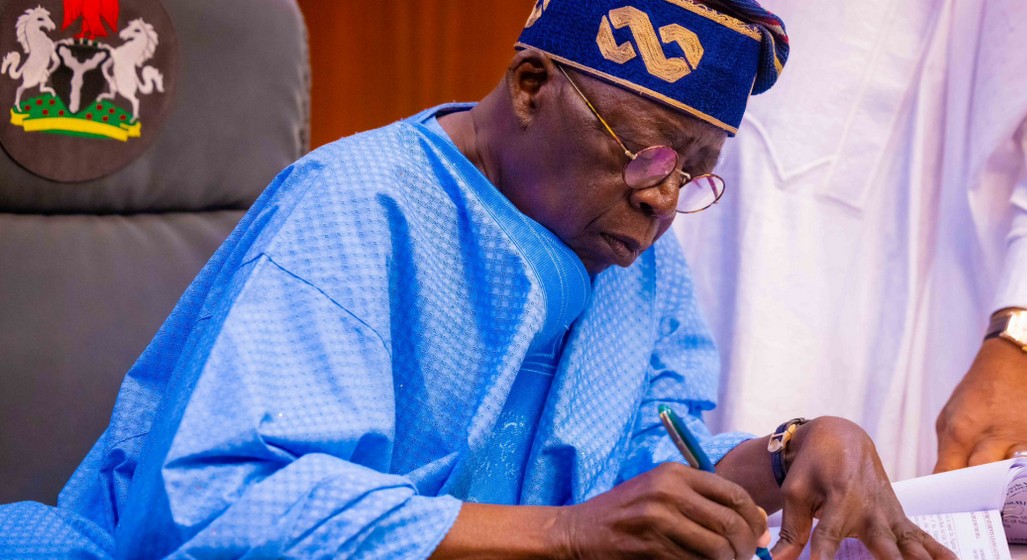
President Bola Tinubu launched a monthly minimum pension guarantee of N52,500 on 10 November 2026, creating a safety net for 173,209 vulnerable retirees. The executive order enforces a legal mandate within the Pension Reform Act that previous administrations ignored for 22 years. Federal authorities will immediately draw funds from the Pension Protection Fund to top up accounts for former workers whose monthly payouts fell below the new baseline.
Official records show that private-sector retirees make up 54 per cent of the first tranche of beneficiaries. Prior to this intervention, over 65 per cent of private-sector retirees received monthly payouts well below the N52,500 threshold. The National Pension Commission confirmed that the dedicated protection fund holds over N400 billion to absorb the immediate costs.
Alongside the income floor, the administration introduced PenCare to shield elderly citizens from catastrophic medical debt. The health insurance scheme targets low-income retirees who risk spending their lifetime savings on basic healthcare. Regulators have already distributed tens of thousands of identity cards during initial pilot runs in selected urban hubs.
Institutional delays still threaten to limit the immediate reach of the initiative across state public services. State governments must clear legacy pension debts and pay statutory contributions into the central protection fund before regional retirees qualify for the federal floor. Reports indicate that some state pensioners currently survive on payouts as low as N5,000 every month.
Opposition strategists dismissed the timing of the announcement as clear electoral leverage ahead of the upcoming presidential race. Regulators countered that administrative groundwork began early in 2024 and suffered several operational postponements before the final rollout. Tinubu challenged political rivals to defend their own historical failure to implement the statutory minimum pension during their tenures.
Long-term success depends entirely on whether state governors voluntarily join the national framework. Federal officials plan to engage regional authorities to bring informal sector workers, artisans, and smallholders into the contributory net. Until state governments match federal commitments, millions of regional retirees will remain without basic economic security.