
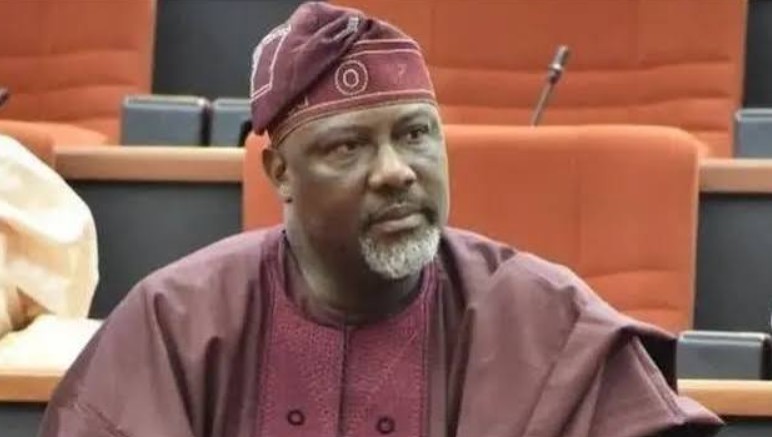
Former Kogi West Senator Dino Melaye accused President Bola Tinubu on 11 November 2026 of inciting political violence ahead of the 2027 general elections. Speaking during a television interview with DCL, the African Democratic Congress chieftain argued that Tinubu’s reported remarks that “all is fair in politics” and “take it, grab it, and run away with it” endorse electoral malpractice. Melaye warned that unchecked political hostility risks sparking a national crisis capable of displacing 250 million citizens across borders that cannot absorb them.
Campaign rhetoric carries real weight when armed thugs patrol Nigerian streets. Melaye linked the president’s public statements directly to recent attacks on opposition figures, including gunfire that struck six vehicles in Atiku Abubakar’s convoy in Kebbi State and left supporters wounded. He also cited violent disruptions targeting Adams Oshiomhole in Ekiti and Peter Obi in Benue as proof that hostile language translates into street-level aggression.
Drawing grim comparisons to collapsed states, the former lawmaker urged Tinubu to act as a statesman rather than a partisan brawler. Melaye invoked the violent break-up of Yugoslavia alongside prolonged wars in Bosnia, Somalia, Sudan, and Ukraine to show how quickly political intolerance destroys nations. Neighbouring countries already struggle with regional instability, leaving West Africa wholly unequipped to handle a mass exodus from Africa’s most populous nation.
Escalating personal attacks frequently accompany high-stakes election cycles in Abuja. Melaye questioned Tinubu’s physical and mental fitness for office under the Nigerian constitution, challenging the president to undergo an independent medical examination. Ruling party officials consistently reject such opposition claims, arguing instead that their opponents manufacture alarmist narratives to distract voters from internal opposition divisions and ongoing court battles.
Independent monitoring bodies have echoed broader concerns about deteriorating campaign conduct across the federation. Earlier this week, the National Peace Committee flagged 109 breaches of the National Peace Accord across 26 states and the Federal Capital Territory. Both ruling and opposition parties trade blame for these clashes while security agencies struggle to arrest the political sponsors behind street gangs.
Elections test whether Nigeria’s political class values national stability above personal power. Words spoken from high office set the behavioural tone for party foot soldiers across every state. Until leaders across all parties rein in inflammatory speech and enforce the rule of law, every campaign rally will carry the threat of bloodshed.