
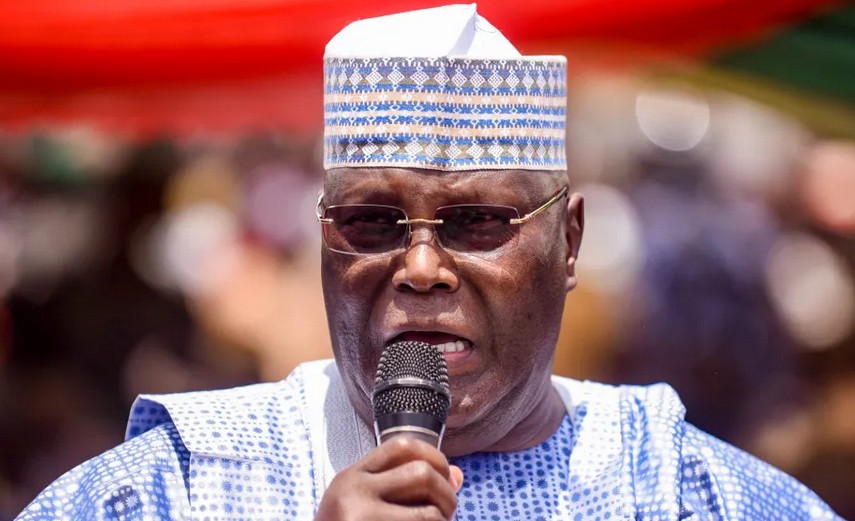
Former Vice President Atiku Abubakar has secured the presidential ticket of the African Democratic Congress, locking in his place on the ballot for the 2027 general election. The political veteran emerged victorious after a highly competitive nationwide direct primary voting process within the opposition party. With this victory, Atiku is set to recreate the fierce three-way electoral contest of 2023. He will face President Bola Tinubu of the All Progressives Congress and Peter Obi of the Labour Party once again. The outcome establishes the African Democratic Congress as a major frontline vehicle for opposition forces.
The internal party victory has immediately triggered intense friction among the other high-profile contenders who vied for the sole ticket. Former Rivers State Governor Rotimi Amaechi and prominent economist Mohammed Hayatu-Deen rejected the primary results completely. Both aspirants alleged widespread irregularities, deliberate manipulation, and the systemic disenfranchisement of party members across thousands of local wards. They argue that the voting process lacked transparency and failed to reflect the true will of the party’s grassroots base. This unfolding dispute raises serious concerns about impending legal battles and deep internal divisions within the party.
Political analysts observe that the emergence of Atiku under a different platform reflects a major realignment within Nigeria’s fractured opposition space. The former vice president opted to migrate his political machinery to the African Democratic Congress following prolonged structural crises within his former party, the Peoples Democratic Party. By conducting a direct primary, the party aimed to comply fully with the strict provisions of the 2026 Electoral Act. However, prominent commentators note that the party was largely put together and heavily financed by Atiku’s loyalists to ensure this exact outcome.
The stage is now set for an exceptionally volatile and expensive presidential campaign season over the next several months. President Tinubu has already secured the ruling party’s ticket for a second term, winning over ten million votes in a direct primary against minimal internal opposition. Meanwhile, Peter Obi continues to consolidate his passionate support base across key regional strongholds ahead of the formal campaign window. The presence of three familiar heavyweights ensures that the 2027 electorate will navigate a highly polarised political marketplace. Voters will weigh the continuity of current economic reforms against the alternative blueprints of veteran challengers.
The unfolding opposition dynamic suggests that previous attempts to build a single, unified coalition against the ruling party have collapsed completely. Leaders from various factions failed to reach a workable consensus on a single candidate, choosing instead to pursue independent tickets. This fragmentation heavily favours the incumbent administration by splitting the critical anti-government protest vote across multiple opposition parties. Unless these rival factions find common ground before the general election, they risk repeating the tactical errors that cost them victory during the 2023 polls.
For the African Democratic Congress, managing the fallout from this contentious primary remains an urgent institutional priority. The national leadership must move swiftly to appease aggrieved aspirants like Amaechi to prevent a catastrophic mass exodus of influential members. A protracted legal tussle over the legitimacy of the direct primary could freeze the party’s campaign momentum before it even starts. As the country moves closer to the 2027 contest, the ability of the opposition to maintain internal cohesion will dictate its capacity to mount a credible challenge against the state.