
Eleven people, including a pregnant woman, were killed when three gunmen stormed a township house party near Durban, highlighting South Africa’s worsening illegal arms crisis and police enforcement struggles.
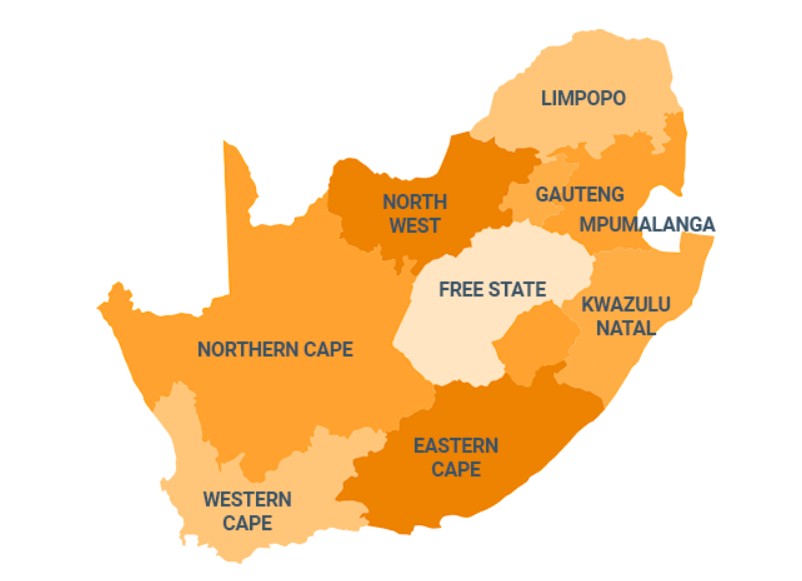
A social gathering inside a residential home in KwaMakhutha township, located approximately 30 kilometres south of Durban along South Africa’s eastern coast, turned into a scene of carnage when three armed men breached the residence and opened fire without warning.
By the time law enforcement and emergency medical crews reached the location, ten individuals, including a woman believed to be pregnant, lay dead inside the premises. An eleventh victim succumbed to severe injuries shortly after arriving at a nearby medical facility, while three other survivors remain hospitalised under emergency care.
The massacre represents the latest manifestation of gun violence sweeping through South Africa, exposing the profound challenges facing public security forces as illegal arms proliferation and organised criminal syndicates continue to outpace conventional policing strategies across developing nations.
Shadows Over KwaZulu-Natal
South African Police Service investigators confirmed that no suspects have been apprehended in connection with the attack, though forensic units continue to process physical evidence recovered from the residential site, including a torched vehicle discovered nearby.
While authorities have not formally established a primary motive, preliminary law enforcement assessments suggest the shooting may stem from escalating conflicts between violent rival factions. Police officials noted that several individuals present at the residence were already subjects of ongoing criminal investigations prior to the attack.
Inspecting the cordoned crime scene, KwaZulu-Natal Premier Thami Ntuli described the loss of life as deeply disturbing for the surrounding community. Ntuli highlighted that the impoverished township has long contended with systemic issues involving illicit narcotics distribution and an influx of unregistered small arms.
The Crisis of Proliferating Arms
The incident in KwaMakhutha fits a broader, alarming pattern of multi-victim homicides across South Africa. Official police statistics indicate that the nation recorded 5,427 homicides between April and June alone, representing an average of nearly 60 violent deaths every single day.
Firearms remain the primary vector for fatal violence across the region. Crime experts and security analysts consistently identify the massive volume of illicit weapons in civilian hands as the central driver of these recurring mass casualty events.
In a bid to contain the violence, South African President Cyril Ramaphosa authorised the tactical deployment of military personnel to assist civilian law enforcement in high crime zones earlier this year. However, that military mandate was restricted to specific districts in Johannesburg, Cape Town, and the Eastern Cape, leaving regions like KwaZulu-Natal entirely dependent on overburdened local police forces.
Global Implications for Asymmetric Security
The structural security collapse in South Africa carries critical lessons for urban governance across Africa and the broader Global South, particularly in nations like Nigeria that battle similar threats from illegal arms smuggling, gang dominance, and localised violence.
Modern counter-insurgency and urban security frameworks increasingly demonstrate that deploying regular military forces to civil hotspots serves only as a temporary buffer. When root vulnerabilities like porous borders, loose firearms regulation, and economic marginalisation remain unaddressed, criminal enterprises quickly adapt and expand into governance vacuums.
International law enforcement bodies now view the South African gun crisis as a stark warning on the necessity of comprehensive structural reforms:
- Strict Border and Munitions Control: Preventing the movement of illicit small arms across regional corridors before they enter dense urban settlements.
- Community Intelligence Integration: Building functional local intelligence networks to detect rival group tensions before they escalate into open massacres.
- Socio-Economic Interventions: Providing sustainable economic pathways for youth in informal townships to reduce the recruiting power of organised crime.
A Nation Demanding Answers
As forensic pathologists transport the victims from KwaMakhutha, public frustration across South Africa continues to mount over the perceived inability of state institutions to protect vulnerable citizens.
With three gunmen still at large and three survivors fighting for their lives, the carnage in Durban’s outskirts underlines an urgent reality: without decisive intervention to disarm illicit syndicates, no residential neighbourhood remains safe from sudden violence.