
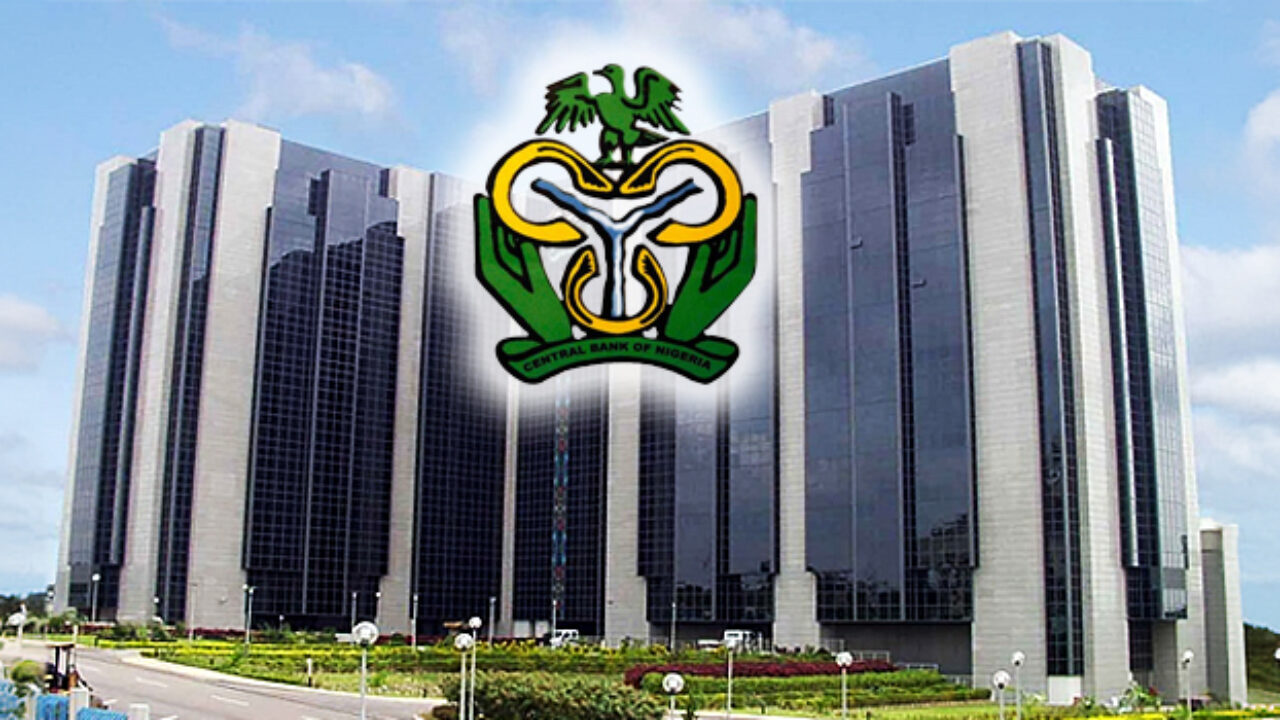
The Central Bank of Nigeria has thrown open its Open Market Operations to retail investors for the first time in seven years. The move removes the rigid ban that previously restricted these high-yielding debt auctions exclusively to commercial lenders and foreign portfolio managers. Monetary chiefs are scrambling to mop up excess cash as pre-election spending threatens to derail fragile disinflation gains. Politicians are already loosening purse strings ahead of regional polls and party primaries. The central bank wants that cash locked away in sovereign paper before it hits the streets. The timing reveals deep anxiety in Abuja.
By inviting retail buyers and private companies into primary auctions, the central bank aims to widen its liquidity net. Commercial banks will no longer enjoy a monopoly over juicy yields that hover near 22 per cent. Savers holding large cash balances can now bypass low-interest bank deposits in search of better sovereign returns. This mechanism helps the monetary authority drain liquidity directly from household and corporate bank balances. It also turns everyday savers into shock absorbers for state monetary policy. The central bank needs every spare penny off the street.
The decision signals urgent preparations against the inflationary tsunami that traditionally accompanies Nigerian political campaigns. Campaign machines flood local markets with illicit cash to buy votes and fund logistics. That deluge routinely overwhelms standard monetary tools and drives up food and transport prices. Central bankers know that conventional interest rate hikes alone cannot halt politically driven money creation. Broadening access to short-term bills gives the regulator a direct vacuum to suck up excess money supply. Desperate times demand wider nets.
This policy shift will force commercial banks to rethink their domestic deposit pricing strategies. Lenders have long pocketed fat margins by paying savers low interest while reinvesting those deposits into lucrative central bank paper. Now that retail clients can buy these instruments directly, banks must raise savings rates to retain core customer funds. The loss of easy arbitrage profits will squeeze net interest margins across mid-tier financial institutions. Competition for private deposits is about to get much fiercer. Cheap bank deposits are vanishing fast.
Sucking liquidity out of the broader economy carries real risks for private enterprise. Small businesses already face crippling borrowing costs under a punishing 26.5 per cent monetary policy rate. Directing more domestic savings into risk-free government debt starves local firms of accessible commercial credit. Private enterprise cannot compete against the state when sovereign paper yields over 20 per cent. The real economy pays the bill whenever public borrowing crowds out private capital. Taming inflation should not mean killing production.
The success of this retail strategy depends on smooth execution and clear market signals. Monetary authorities must ensure that digital retail platforms process small-ticket bids without administrative bottlenecks or unexpected fees. Regulators must also prevent aggressive market players from gaming the system through circular lending. The coming months will reveal whether retail open-market operations can neutralize the inflationary heat of campaign cash. The central bank has laid its bet. Nigerian consumers await the outcome.