
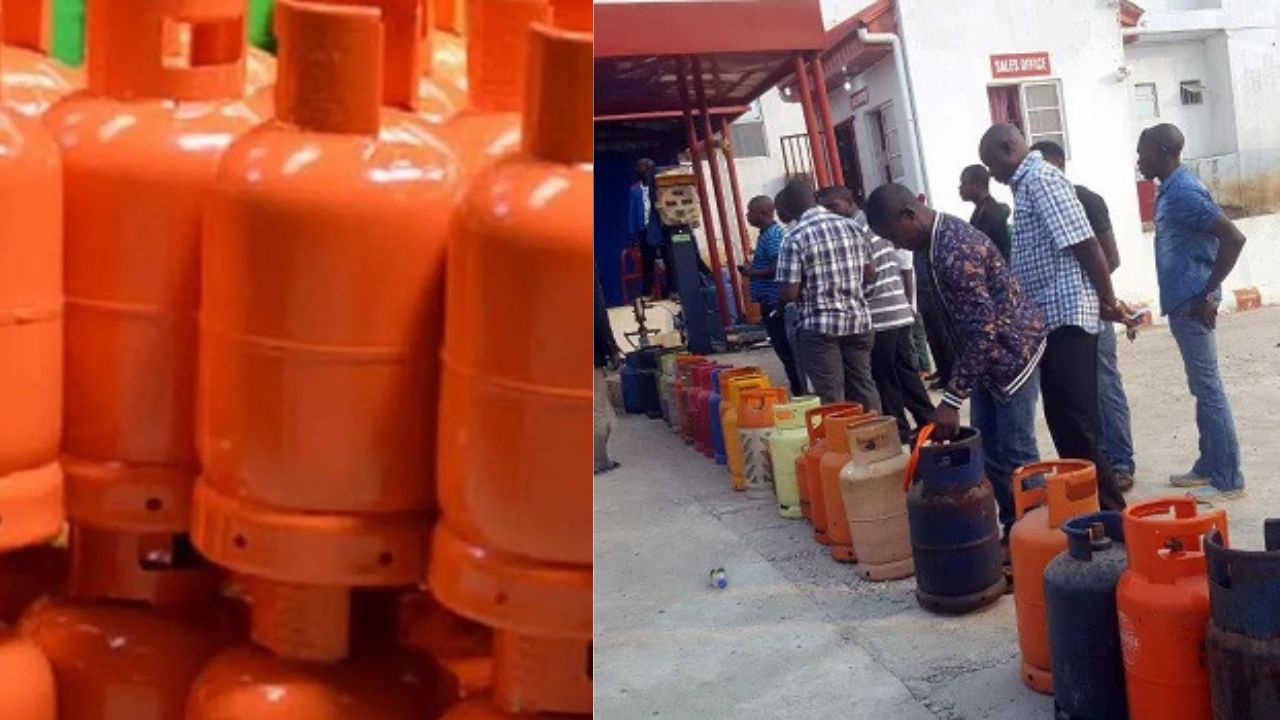
Nigerian households may soon experience major relief from crushing energy bills. The Nigerian Association of Liquefied Petroleum Gas Marketers projects that retail cooking gas prices could crash to N900 per kilogram by the end of 2026. This optimistic forecast depends entirely on the federal government executing swift supply chain reforms. Consumers currently endure extreme financial pain as the critical commodity commands premium rates nationwide. Immediate administrative intervention remains the only path to lowering these daily living costs.
The potential price drop would represent a massive reversal from current market realities. Cooking gas prices have recently soared to between N2,000 and N2,500 per kilogram in major metropolitan zones like Lagos. This current peak follows a dramatic 140 percent price surge from earlier this year. Wholesale depot costs for a 20-metric-tonne truck currently exceed N26 million. Consequently, many low-income families have abandoned clean energy altogether, returning to hazardous charcoal and firewood.
A sudden shift in domestic production strategy triggered the ongoing supply crisis. The massive Dangote Refinery and Nigeria LNG collectively supplied 87 percent of the domestic market last year. The Lagos-based refinery, however, recently altered its operational focus to enhance higher-value petroleum products. This strategic pivot severely reduced its local liquefied petroleum gas allocations. The unexpected shortfall caught the domestic energy market completely unprepared and sent retail prices skyrocketing.
Severe logistical bottlenecks continue to worsen the domestic supply deficit. Liquefied petroleum gas storage infrastructure remains heavily concentrated in southern coastal ports. The entire northern region suffers from a complete lack of modern storage depots. This geographic imbalance forces marketers to incur exorbitant long-distance trucking and handling fees. Producers frequently operate below their installed capacity because they cannot efficiently move products across the country.
The state regulator is now working to break this domestic distribution monopoly. The Nigerian Midstream and Downstream Petroleum Regulatory Authority has started issuing emergency import licences to major marketing firms. Officials hope that a massive influx of foreign gas will quickly stabilise the local market. Relying on imports, however, exposes domestic prices to the constant volatility of foreign exchange rates. Long-term relief requires building robust distribution hubs across all geopolitical zones.
The ultimate success of the clean energy policy relies on structural implementation. The government must actively enforce domestic supply obligations on all local gas producers. Private refineries should not prioritize industrial processing over the basic cooking needs of ordinary citizens. Failing to resolve this crisis will swiftly undo years of environmental progress regarding deforestation. True price stability will only arrive when local supply permanently matches domestic consumer demand.