
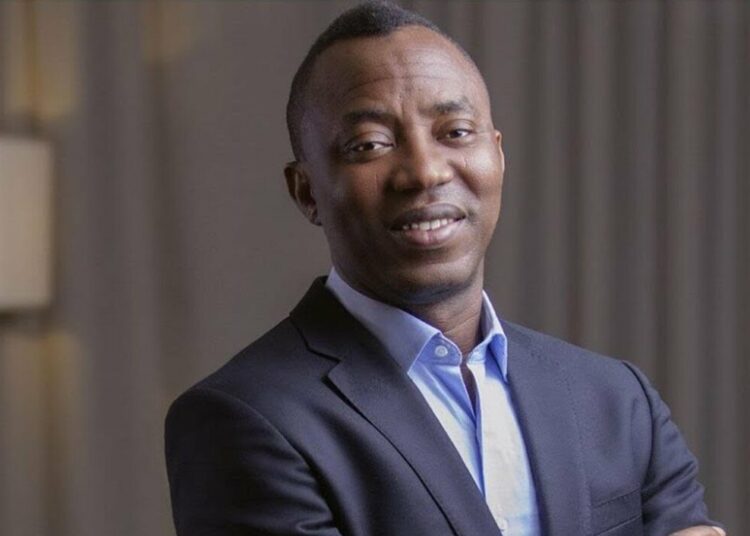
Omoyele Sowore must defend himself against cyberbullying charges after an Abuja court rejected his attempt to toss the case. Justice Mohammed Umar ruled on Friday that the state has provided enough evidence to require a formal response from the publisher. The prosecution claims Mr Sowore defamed President Bola Tinubu by calling him a criminal on social media. This ruling moves the trial into its next phase, forcing the defendant to present his own evidence. Mr Sowore had hoped the judge would find the prosecution’s case too thin to proceed.
The legal battle stems from posts Mr Sowore shared on X and Facebook last year. The State Security Service alleges these comments constitute cyberbullying under Nigerian law. Mr Sowore’s legal team argued that the state failed to link their client to any specific crime. They filed a no-case submission to end the trial without calling any witnesses. Justice Umar disagreed, stating the prosecution met the minimum threshold for a trial. The court now expects the Sahara Reporters founder to prove his innocence.
The proceedings took a sharp turn immediately after the judge delivered his ruling. Mr Sowore stood up and accused Justice Umar of harboring a bias against him. He claimed the judge once humiliated his lawyer by ordering him to kneel during a previous hearing. This incident allegedly took place in mid-March and rattled the defence team. Mr Sowore told the court he no longer believes he can receive a fair trial. He demanded that the judge step away from the case entirely.
His lawyer, Marshal Abubakar, echoed these concerns and supported the demand for a new judge. The prosecution dismissed these claims as a tactical delay. Akinlolu Kehinde, the state’s lead counsel, argued that a verbal request for recusal carries no weight. He insisted the defence must follow proper legal channels to challenge the judge’s seat. Justice Umar agreed with this procedural point. He ordered the defence to file a formal written application detailing their grievances.
This case highlights the tightening squeeze on digital speech in Nigeria. Authorities are increasingly using cybercrime laws to target critics of the presidency. While the state views the comments as criminal bullying, activists see a pattern of state-led intimidation. The trial has become a litmus test for how much criticism the current administration will tolerate. Mr Sowore remains a persistent thorn in the side of successive governments. His latest legal hurdle ensures his brand of activism stays in the headlines.
The court adjourned the matter until 19 May to hear the formal application for recusal. If the judge refuses to step down, the trial will proceed with Mr Sowore’s defence. If he leaves, a new judge must start the process from the beginning. This choice will determine the speed and optics of the trial in the coming months. For now, the publisher remains tethered to the courtroom. The government seems intent on seeing this prosecution through to a final verdict.