
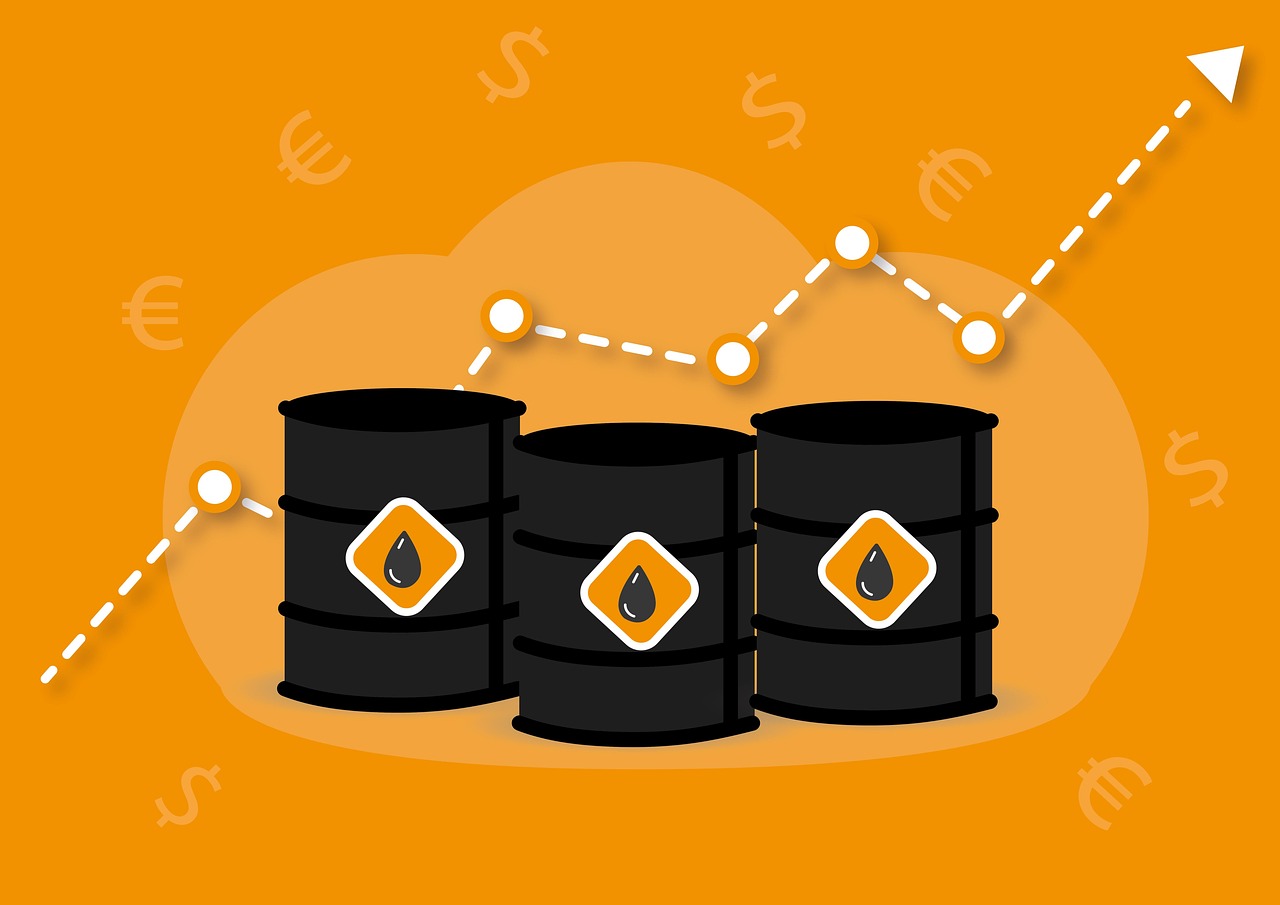
Global crude prices surged further after diplomatic talks to reopen the crucial Strait of Hormuz stalled. Brent crude futures moved higher while U.S. West Texas Intermediate extended a 10 percent rally racked up over the past week. Energy markets reacted sharply as hopes for a quick diplomatic deal between Washington and Tehran vanished. The stalemate rekindles global inflation fears and increases the odds of tighter monetary policy in major economies. Higher crude prices typically provide a fiscal windfall for oil-exporting nations while driving up domestic fuel costs.
The diplomatic impasse deepened after Donald Trump demanded conflict compensation from Tehran for historical regional attacks. His demands directly countered Iran’s insistence on war reparations as a non-negotiable precondition for unblocking shipping routes. Both sides appear intent on leveraging the strategic chokepoint rather than compromising. Washington aims to choke Iranian crude exports while Tehran constrains global energy transit through the narrow waterway. This dangerous game of geopolitical brinkmanship leaves maritime commerce vulnerable to prolonged disruption and spiking freight charges.
Financial markets now face renewed anxiety over global inflation trends. Surging energy costs threaten to undermine recent progress made by central banks in taming consumer prices. Investors are recalibrating their expectations for U.S. Federal Reserve monetary policy ahead of upcoming economic data releases. While recent weak labor figures hinted at economic cooling, persistent energy spikes could force central bankers to raise interest rates again. Higher global borrowing costs usually stifle emerging market growth and depress capital flows to developing nations.
For Nigeria, rising crude prices present a double-edged sword for national economic planning. Elevated oil revenues bolster foreign exchange reserves and help the central bank defend the local currency. However, high global crude prices drive up the landing costs of imported refined petroleum products. Without functioning domestic refining capacity to meet total demand, higher crude prices quickly translate to higher domestic transport costs. The government faces a delicate balancing act between reaping crude windfalls and managing domestic price shocks.
Maritime security concerns across the Middle East also threaten global supply chains beyond raw petroleum shipments. Container shipping lines must reroute vessels around longer, costlier trade paths to avoid high-risk maritime zones. Extended transit times drive up insurance premiums and inflate shipping costs across international trade networks. Local importers and manufacturers will eventually pass these inflated logistics fees onto domestic consumers through higher retail prices. Geopolitical volatility in the Gulf continues to dictate the pace of global economic recovery.
Traders expect energy markets to stay volatile until clear diplomatic channels reopen. Energy analysts warn that prices will remain elevated as long as the Strait of Hormuz stays restricted. Strategic reserves offer temporary liquidity, but they cannot fully substitute for open maritime trade corridors. Governments worldwide must brace for prolonged cost pressures across energy-dependent sectors. Global commerce remains hostage to political calculations in key oil-producing regions.