
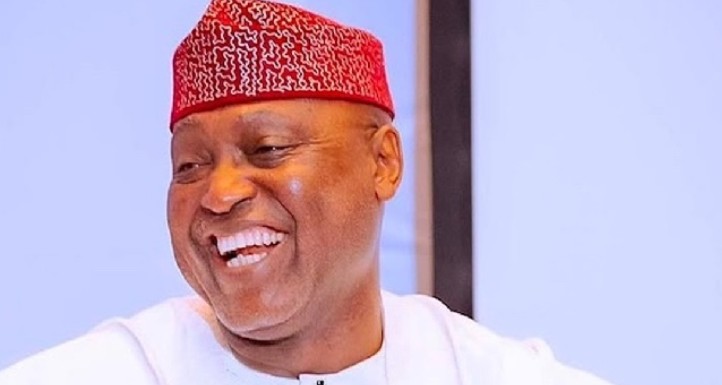
Ekiti State Chief Judge Lekan Ogunmoye administered the oath of office to Governor Biodun Oyebanji and Deputy Governor Monisade Afuye on Friday at the Ekiti Parapo Pavilion in Ado-Ekiti. The swearing-in ceremony seals their four-year extension in power after an electoral sweep on June 20, 2026, where the ruling party polled 319,224 votes. Oyebanji becomes the first civilian governor in the thirty-year history of the agrarian south-western state to secure back-to-back electoral terms directly from the ballot box. Local politicians have long struggled with continuity. Successive administrations in Ado-Ekiti have historically discarded their bitter predecessors’ policy blueprints, stalling long-term capital investments across health, education, and transport corridors. Peaceful handovers between terms break that cycle.
A peaceful political transition offers relief to local civil servants and market associations who feared renewed factional feuds among entrenched regional godfathers. Oyebanji avoided public hostility during his initial tenure by clearing long-standing state pension arrears and paying worker salaries on monthly schedules. Regular pay buys quiet public peace. The governor maintained close personal ties with rival political blocs, traditional obas, and former governors Adeniyi Adebayo, Ayodele Fayose, and Kayode Fayemi to steady his political footing. That fragile elite truce now faces a rough fiscal test. Nigerian states cannot fund growing wage bills without borrowing heavily from commercial lenders or chasing dwindling monthly statutory allocations from Abuja. Quiet politics cannot balance depleted ledgers alone.
Ado-Ekiti must confront the stubborn structural limitations of a landlocked agrarian economy that generates meagre internal tax receipts. Most local households still rely on subsistence cocoa, yam, and cassava farming while thousands of educated university graduates chase non-existent state secretarial jobs. Certificates do not buy meals today. Oyebanji made grand campaign promises to link local crop growers to commercial food processing hubs, upgrade rural feeder roads, and woo private industrial capital into the state. Commercial agro-processing firms rarely venture into areas with patchy power grids and unpaved farm roads. State funds disappear into recurrent overheads rather than building reliable transport routes for rural farm harvests. Hard enterprise demands capital, not campaign rhetoric.
The second four-year tenure strips away the convenient political alibis that rookie governors often lean on to justify sluggish project delivery. Oyebanji had previously dissolved his cabinet earlier in the week to clear out loyalist hangers-on and reset his executive team. Good governance needs technocrats, not party placemen. The administration faces rising food inflation, high youth joblessness, and patchy municipal water networks across sixteen local government areas. Time punishes slow leaders in office. Having shattered the historical succession curse that tripped his predecessors, Oyebanji must show that political longevity in Ekiti translates into measurable economic survival for ordinary citizens on the street. History will judge him by actual factory gates.