
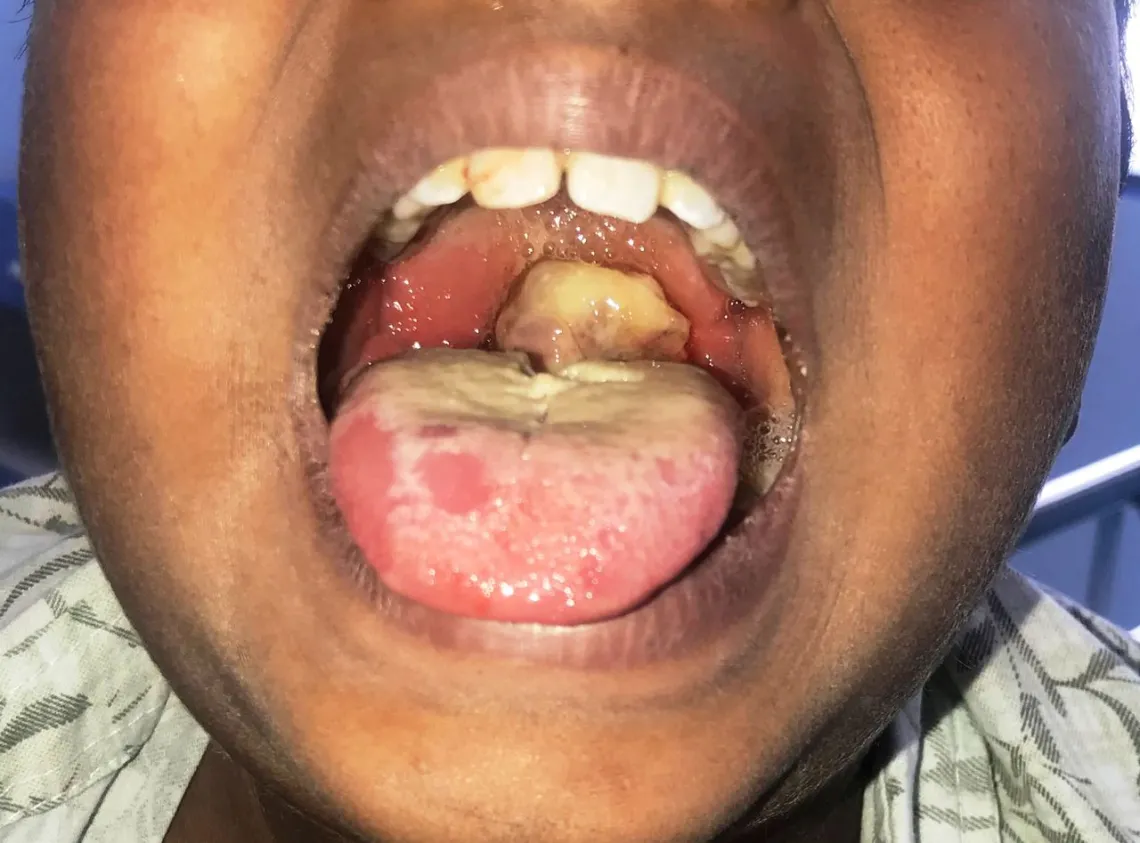
A renewed diphtheria outbreak in Niger State has highlighted continuing gaps in childhood immunisation coverage and disease prevention efforts, with health authorities reporting confirmed infections and deaths despite the availability of effective vaccines against the highly contagious disease.
The outbreak, which affected communities including Chanchaga and Katcha Local Government Areas, has raised concerns over vaccine access, public awareness, early detection and the ability of local health systems to respond quickly to prevent avoidable deaths.
Health authorities in Niger State reported that 124 diphtheria cases were confirmed between January and early August 2026, with 17 deaths recorded during the period. State officials said additional deaths were recorded during the latest phase of the outbreak, particularly in Chanchaga and Katcha communities.
The Executive Director of the Niger State Primary Health Care Development Agency, Dr Junaidu Inuwa, attributed the high fatality rate partly to low childhood vaccination uptake, noting that some children had not received routine immunisation against vaccine preventable diseases.
The development has renewed attention on Nigeria’s wider struggle with immunisation coverage, as the country continues efforts to improve protection against diseases such as diphtheria, measles, polio and pertussis.
Diphtheria is a bacterial infection caused mainly by Corynebacterium diphtheriae. It primarily affects the throat and upper respiratory system and can lead to breathing difficulties, heart complications, nerve damage and death if untreated.
The disease is preventable through vaccination, particularly the diphtheria containing vaccines included in Nigeria’s routine childhood immunisation programme.
The World Health Organisation recommends that children receive multiple doses of diphtheria containing vaccines as part of the routine immunisation schedule to develop and maintain protection.
Nigeria introduced the diphtheria vaccine through its Expanded Programme on Immunisation, now known as the National Programme on Immunisation, as part of efforts to reduce childhood deaths from preventable diseases.
However, uneven vaccination coverage, misinformation, limited access to healthcare services in some communities and disruptions caused by insecurity have affected immunisation progress in parts of the country.
Available health data show that Nigeria has made progress in vaccination coverage but continues to face significant challenges.
According to the 2021 Nigeria Multiple Indicator Cluster Survey and National Immunisation Coverage Survey, only about 57 per cent of children aged 12 to 23 months had received all basic vaccinations at the national level.
The survey also showed major differences between states, with some areas recording substantially lower coverage than others due to factors including poverty, healthcare access, geography and community acceptance.
The Federal Ministry of Health and Social Welfare, working with development partners including UNICEF and the World Health Organisation, has continued to strengthen routine immunisation programmes and emergency vaccination campaigns.
Nigeria’s large population makes vaccination coverage particularly important. With more than 200 million people, according to United Nations population estimates, gaps affecting even a relatively small percentage of children can leave millions vulnerable to outbreaks.
Niger State’s outbreak comes after Nigeria experienced one of its largest recorded diphtheria outbreaks in recent years.
The Nigeria Centre for Disease Control and Prevention reported a nationwide diphtheria outbreak in 2023, with thousands of suspected cases recorded across several states.
According to NCDC situation reports, more than 20,000 suspected diphtheria cases were recorded nationally between 2022 and 2024, with thousands confirmed after laboratory testing. Kano State was among the most affected locations during the major outbreak, accounting for a significant proportion of reported cases.
The outbreak prompted emergency responses involving federal and state health authorities, vaccination campaigns, improved disease surveillance and public awareness programmes.
Health experts have repeatedly stated that early vaccination remains one of the most effective measures for preventing severe illness and deaths.
Public health officials have identified several factors contributing to recurring outbreaks of vaccine preventable diseases in Nigeria.
One major challenge is incomplete vaccination. Some children receive the first dose of a vaccine but do not complete the recommended schedule, reducing the level of protection within communities.
Healthcare access is another challenge. Rural communities in some parts of Nigeria face difficulties reaching functional primary healthcare centres due to distance, cost, insecurity and limited healthcare personnel.
Misinformation and vaccine hesitancy have also affected immunisation campaigns. Health authorities have continued community engagement efforts to address concerns and encourage parents and caregivers to allow children to receive recommended vaccines.
The United Nations Children’s Fund, UNICEF, has supported Nigeria’s immunisation and community health programmes, including efforts to strengthen local structures responsible for health education, disease prevention and community engagement.
Following the Niger State outbreak, health authorities have focused on surveillance, treatment of affected patients, community mobilisation and strengthening vaccination activities.
The Niger State Primary Health Care Development Agency said community structures such as Ward Development Committees would play a role in improving awareness and encouraging families to access healthcare services.
Treatment of diphtheria requires early medical intervention, including appropriate antibiotics and antitoxin therapy where available. Health authorities advise people experiencing symptoms such as persistent sore throat, fever, difficulty breathing or swelling in the neck to seek medical attention promptly.
The Federal Government and public health agencies have continued to emphasise that vaccination remains the primary protection against diphtheria.
The Niger outbreak reflects a broader public health challenge: diseases once controlled through vaccination can return when immunisation levels decline.
Nigeria’s experience with diphtheria demonstrates that preventing outbreaks requires more than emergency response after cases emerge. It depends on sustained investment in routine immunisation, reliable healthcare delivery systems, accurate public information and strong community participation.
While health authorities continue to investigate and respond to cases in Niger State, the latest outbreak serves as another reminder that vaccine preventable diseases remain a major public health concern when protection gaps persist.