
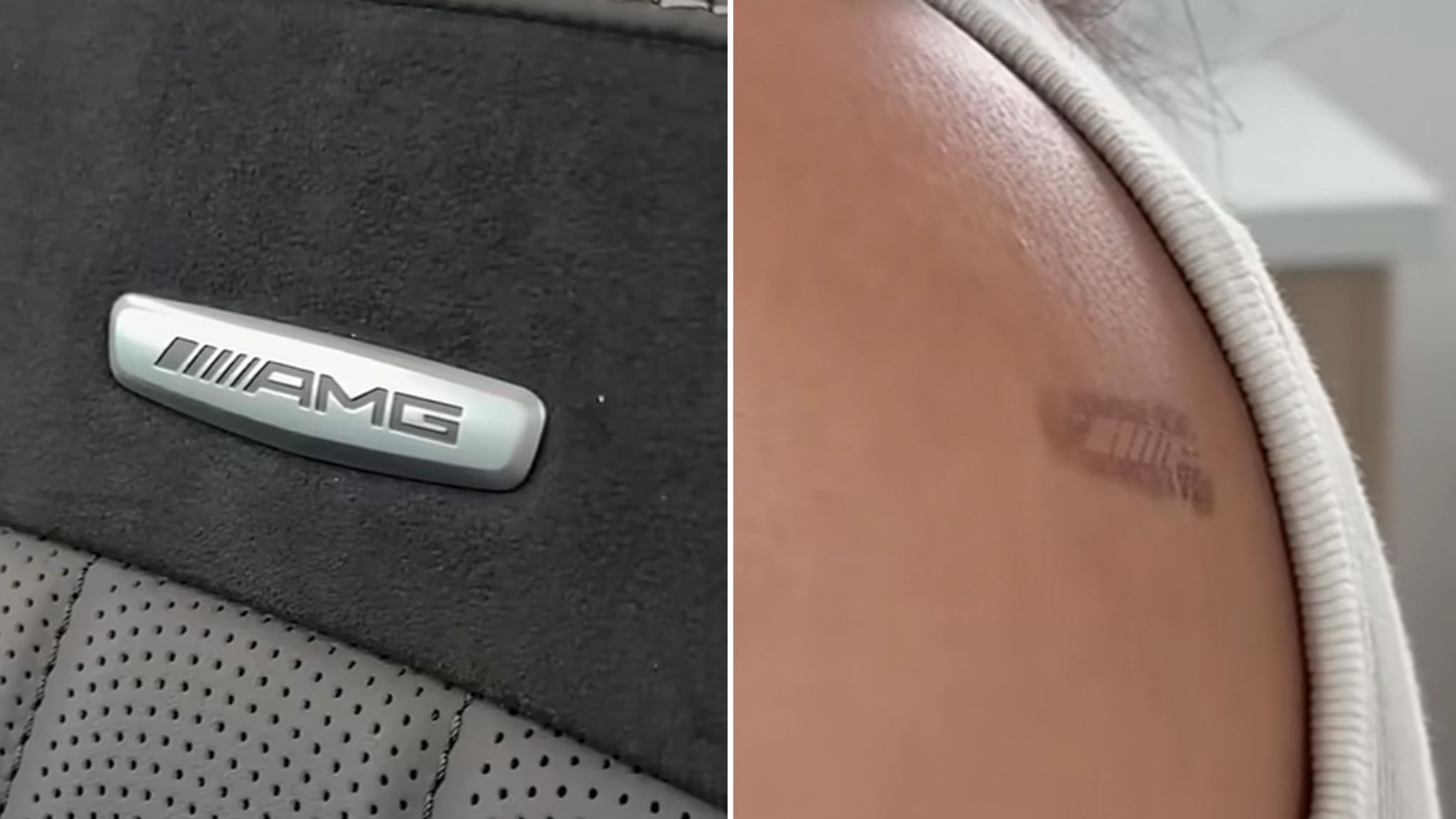
A luxury design feature meant to signal performance and prestige has become the subject of a US class action lawsuit, after two Mercedes-AMG drivers accused the carmaker of selling vehicles whose metal seat badges heat up in the sun and burn the skin of occupants.
The suit was filed on 5 August 2026 in the United States District Court for the Central District of California by Gabriel Lahijani, a Los Angeles resident, and Karendeep Bath, who lives in Chatsworth. Both drive Mercedes-AMG vehicles, the high performance line produced by Mercedes-Benz. The named defendant is Mercedes-Benz USA LLC, the company’s American sales arm. The plaintiffs are seeking to represent a wider class of Californians who bought or leased affected models, which places the case at an early procedural stage, since a court has yet to decide whether it can proceed as a class action.
At the centre of the complaint is a raised metallic AMG emblem fitted to the upper part of the sport seats in certain performance models. According to the filing, the badge sits in a position that is reasonably expected to touch an occupant’s upper back, neck or shoulder during normal use. The plaintiffs argue that when a car is left parked in direct sunlight, an ordinary and foreseeable condition, the metal can grow hot enough to cause a thermal burn on brief contact with bare skin. They also contend that no adequate warning about the risk appears on the badge itself or in the documents supplied with the vehicles.
Lahijani states in the complaint that he leased a new 2026 Mercedes-AMG E-Class from an authorised dealership in Los Angeles. On 31 May, wearing a tank top, he entered the car and his left upper back briefly made contact with the badge, which he says caused immediate pain and a burn bearing the shape of the AMG design. A board certified dermatologist later documented first and second degree burns and described the injury as AMG inscribed. Bath alleges a similar experience about six weeks later. After parking her vehicle and returning to it in a sleeveless top, her shoulder touched the logo and she felt a burning sensation. In the days that followed, the complaint says, a mark in the shape of the emblem darkened and became visible on her skin, in a pattern consistent with a thermal contact burn.
The two are asking the court to award compensation for medical expenses, pain, suffering and emotional distress that they can prove at trial. Beyond damages for themselves, they want Mercedes to pay for the badges to be removed from the vehicles of other owners in the proposed class. The claims are allegations that have not been tested in court, and no finding of fault has been made against the company. At the time the suit was filed, no response from Mercedes-Benz had been reported, and it is standard for defendants in such matters to reserve their formal position for court filings rather than public comment.
The underlying physics is not in dispute, even if the legal responsibility is. The interior of a car parked in the sun can become far hotter than the outside air, and dark surfaces and metal fittings absorb and retain heat quickly. Research indexed by the United States National Institutes of Health has recorded surface temperatures inside sun exposed vehicles reaching about 100 degrees Celsius. Human skin can suffer a burn from prolonged contact with surfaces above roughly 44 degrees Celsius, with the severity rising sharply as temperature climbs, which is why a metal object that would be harmless indoors can injure within seconds after hours in the sun. What the case will turn on is not whether hot cars are dangerous, a well established fact, but whether the specific placement and material of the AMG badge amount to a design defect for which the manufacturer is liable.
For readers in Nigeria, the case carries more than novelty value. Mercedes-Benz vehicles, including AMG models, are a visible presence among the country’s high end and imported car market, and Nigeria’s climate subjects parked cars to sustained heat and direct sun for much of the year. Vehicles brought in through the used import trade, popularly known as Tokunbo, often arrive from the United States, which means models fitted with the same seat badges circulate on Nigerian roads. Nigerian consumers, however, do not enjoy the same legal recourse. The class action mechanism that allows two individuals to sue on behalf of thousands is a feature of United States civil procedure and is not readily available in the same form under Nigerian law, where product liability claims are less developed and rarely pursued to judgment. Any redress issued by the California court would apply to the defined American class, not to owners abroad.
The dispute also fits a longer pattern of litigation over vehicle interior temperatures and burn risks, an area that has drawn attention as cars incorporate more metal trim, touchscreens and decorative fittings. Whether courts treat such injuries as the fault of a manufacturer or as an inherent hazard of leaving any car in the sun has varied by case and jurisdiction. The Mercedes matter will add to that record.
What happens next rests with the court. The immediate questions are procedural: whether the case will be certified as a class action, how many owners might fall within any certified class, and how Mercedes-Benz responds once it files its defence. Those steps typically take months, and the substantive allegations remain unproven until then. For now, the case stands as a reminder that even a small piece of branding, engineered for effect, can carry consequences its designers may not have foreseen.