
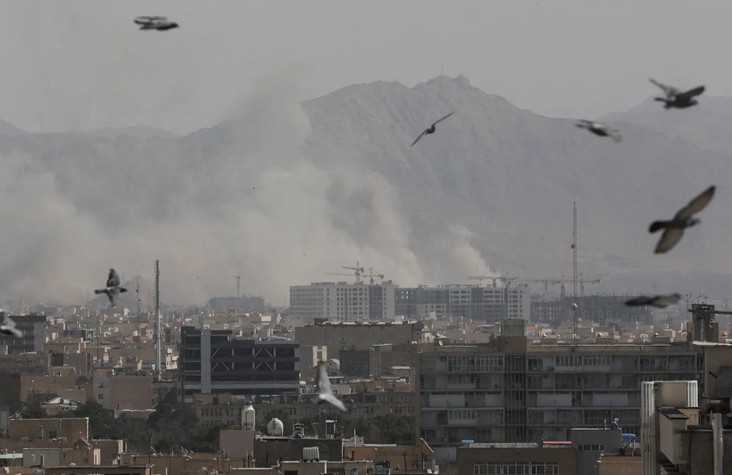
Loud explosions shook Riyadh early on Sunday as Saudi air defences destroyed a ballistic missile and two drones fired by Yemen’s Houthi rebels. The pre-dawn interception coincided with official plans to reopen King Khalid International Airport after a fortnight of emergency closures. War shatters normal aviation schedules.
The renewed assault follows an earlier strike this month that killed thirteen people and injured more than three hundred travellers at the capital’s main terminal. Houthi military spokesman Yahya Saree promptly declared the facility an active combat zone and warned foreign airlines against landing on its runways. Passenger airlines heed such threats.
Saudi military interceptors destroyed ten additional projectiles across southern provinces as attacks spread towards the garrison city of Khamis Mushait. Residents received urgent mobile alarms warning of hostile aerial threats while shrapnel fell across commercial districts and rural districts alike. Modern air shields cannot stop panic.
The cross-border bombardment marks the violent collapse of a multi-year truce between the insurgents and the Saudi-backed administration in Yemen. Houthi fighters swept through the entire Red Sea coast last month and now target energy hubs, fuel pipelines, and military camps in southern Yemen. Ceasefires rarely survive political deadlock.
The escalating barrage strikes at the heart of the kingdom’s expensive economic modernisation drive. Saudi planners spend lavish sums to market the country as a tranquil global hub for logistics, luxury tourism, and corporate finance. Cheap drones undo billions in branding.
Energy traders watch the widening conflict with mounting dread as Gulf export terminals and maritime tanker lanes face daily missile salvos. Every explosion over Riyadh pushes international maritime insurance rates higher and injects fresh volatility into crude prices. Insecure skies threaten global commerce.