
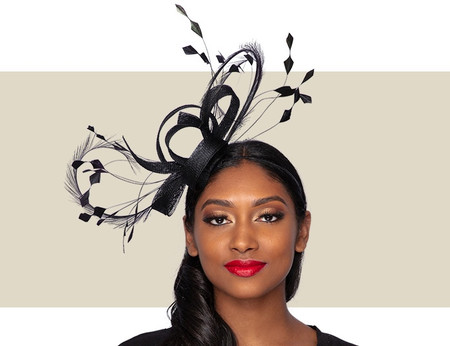
On Sunday mornings in many Nigerian cities, faith can be seen before a word of worship is heard. Families leave their homes in polished shoes, carefully pressed clothes and coordinated colours. Women wear gowns made from lace, Ankara and other fabrics, while men appear in suits, senator styles or traditional attire. Children are dressed with equal attention, sometimes in outfits selected for a thanksgiving, harvest service or church anniversary.
The clothes may have taken weeks to complete. Before they reached the church entrance, fabric sellers, tailors, designers, shoemakers, jewellers, hairdressers, make-up artists and dry cleaners had already participated in the journey. This is Nigeria’s Sunday best economy, a network of livelihoods connected to the country’s religious life. Worship may be its spiritual centre, but around it exists a commercial system shaped by clothing, beauty, food, transportation, media and social expectations.
Dressing as an act of respect
For many worshippers, wearing good clothes to church is not primarily an attempt to attract attention. It is a way of showing respect for the occasion, the congregation and God. The idea of “Sunday best” rests on a longstanding belief that worship deserves special preparation. In some homes, church clothes remain separate from everyday clothes. They are protected from frequent use and brought out for services or important religious celebrations.
Nigeria’s cultural diversity gives this practice a distinctive character. A church congregation may contain Western suits, flowing gowns and traditional outfits representing different ethnic identities. Colours, fabrics and embroidery allow worshippers to express both faith and heritage within the same space. The approach differs across denominations. Some churches encourage formal or conservative clothing, while others accept more relaxed styles. White garment churches maintain their own visual traditions, and uniforms worn by choirs, ushers, women’s groups and other church organisations create another form of demand.
Religious fashion is not limited to Christianity. Friday prayers, Ramadan programmes, Islamic ceremonies and the Eid celebrations known widely as Sallah also influence the market for kaftans, hijabs, abayas, caps, robes and embroidered clothing.
The tailor behind the tradition
The Sunday best economy becomes most visible inside tailoring shops. For independent tailors and designers, religious occasions provide a dependable stream of work. Regular services generate demand for modest dresses, shirts and traditional wear, while anniversaries, conventions, ordinations, child dedications and thanksgiving ceremonies create more specialised orders.
The work expands when congregations select matching fabrics or colours. Members may be asked to wear a particular outfit for a group celebration, creating multiple orders within a short period. A tailor does not benefit alone. Fabric merchants supply the material. Embroiderers, bead makers and button sellers provide finishing details. Dispatch riders deliver completed outfits, while photographers and content creators document the final appearance.
For many small businesses, this interconnected market matters because Nigerian fashion is not sustained only by runways, celebrity endorsements and major events. It is also supported by ordinary people who need clothes for recurring moments in their social and religious lives. Research on Nigeria’s fashion labour market describes an industry containing designers, textile workers, tailors, retailers and other participants, many of whom operate through small or informal businesses. Each completed church outfit can therefore represent income distributed across several hands.
Beyond the clothes
Sunday commerce stretches beyond fashion. Hair salons and barbers often become busier towards the weekend as customers prepare for services. Shoe sellers, jewellers, perfume vendors and beauty professionals benefit from the same desire to appear presentable. Transportation workers move worshippers across cities, sometimes over long distances to large congregations. Food vendors and restaurants serve people before or after services, while traders gather around some places of worship to sell snacks, books, clothing and household goods.
Religious gatherings also create demand for event decorators, printers, caterers, sound technicians and photographers. A church anniversary can resemble a major social occasion, requiring programmes, banners, branded clothing, food and audiovisual coverage.
Digital media has widened this economy further. Photographs taken after services appear on WhatsApp, Instagram, Facebook and TikTok, extending the audience for church fashion beyond the congregation. A distinctive dress can attract enquiries for the designer, while a pastor’s, gospel singer’s or worshipper’s appearance may inspire new orders. Fashion businesses have noticed this market. Some now promote collections specifically as church wear, presenting flowing gowns, coordinated sets and modest dresses as outfits that can move from worship to family gatherings or formal events.
The pressure beneath presentation
The relationship between faith and fashion is not free from tension. A culture of dressing well can encourage creativity and support livelihoods, but it may also create pressure among people who cannot afford new clothes regularly. A worshipper may worry about repeating an outfit or appearing less successful than other members of the congregation.
Special programmes can add to the burden when different clothing is required for several events. Group fabrics, tailoring charges, accessories and beauty appointments may turn participation into a considerable expense. The pressure is not always imposed directly by a religious institution. It can arise through comparison. When photographs circulate online and compliments reward novelty, people may begin to feel that they are not simply attending worship but entering a space where appearance will be evaluated.
That feeling risks contradicting the inclusive purpose of religious community. A place intended to welcome people across social classes can become intimidating if expensive presentation appears to be an unofficial condition of belonging. There is also the danger of confusing visible prosperity with spiritual commitment. Clothing may communicate care, identity and respect, but it cannot reliably measure faith, character or financial wellbeing.
Tradition meets economic reality
Rising living costs are now forcing some worshippers to reconsider what Sunday best should mean. Instead of commissioning new outfits frequently, people can restyle existing clothes, choose designs suitable for several occasions or buy ready-made pieces. Others rely on durable traditional clothing that can be worn repeatedly with different accessories. This adjustment does not necessarily weaken the tradition. It may return attention to its original purpose: appearing clean, prepared and respectful rather than competing through cost.
Tailors and retailers must also respond. Customers increasingly want clothes that are affordable, comfortable and versatile. A gown marketed for church becomes more valuable when it can also serve at work, a naming ceremony or a family event.
The Sunday best economy survives because it offers more than clothing. It connects belief with culture, craftsmanship and community. It gives fabric sellers customers, tailors deadlines and beauty professionals busy weekends, while allowing worshippers to present themselves in ways that carry personal and religious meaning.
Yet its future may depend on balance. As Nigerians navigate economic pressure, religious fashion will continue to evolve between reverence and display, tradition and affordability. The most enduring Sunday best may not be the newest or most expensive outfit in the congregation, but the one that allows dignity without turning worship into a financial performance.