
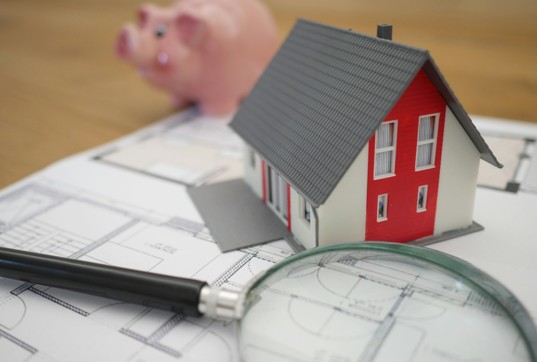
A house can now exist on a computer screen before the first block is laid. Its rooms can be designed digitally, its structure viewed in three dimensions, its construction monitored by drones and, after completion, its lights, cameras and security systems controlled from a smartphone.
For generations, building a house depended largely on manual measurements, physical drawings and labour-intensive processes. Today, technology is steadily changing almost every stage of construction. The transformation is not only about making houses more sophisticated. It is changing how architects design them, how engineers plan them, how builders construct them and how residents eventually interact with them.
In Nigeria, where construction projects often face high material costs, power challenges and the need to maximise resources, these technologies are becoming increasingly relevant.
The computer changed the drawing board
One of the earliest major technological changes in construction came when computers began replacing much of the traditional drafting process. Architectural plans were once drawn by hand. Making significant changes could require sections of a drawing to be erased or redrawn, making revisions time-consuming. Computer-aided design, commonly known as CAD, changed that.
Architects could create digital drawings, modify measurements more easily and produce increasingly precise plans. The computer therefore became more than an office tool. It became part of the creative and technical process of designing a building. But digital construction soon moved beyond two-dimensional drawings.
When houses became virtual buildings
Three-dimensional modelling took digital design a step further. Instead of relying only on separate floor plans and elevations, architects and engineers could create a digital representation of an entire building. Building Information Modelling, or BIM, expanded this concept by allowing detailed information about different parts of a building to be incorporated into one digital model.
This can improve coordination between architects, engineers and other professionals working on the same project. A building’s structural, electrical and plumbing elements can be considered together rather than as completely separate systems.
One major advantage is the ability to identify potential problems before they become expensive physical mistakes. For construction projects, that can mean better planning, less material waste and fewer avoidable delays.
The construction site is becoming more technological
Technology has also transformed what happens after the design leaves the computer. Modern construction sites use equipment that can perform tasks that once required significant amounts of manual labour. Excavators, cranes, power tools, concrete equipment and advanced surveying instruments can make certain jobs faster and more precise.
Surveying has changed as well. Digital equipment, GPS technology and laser-based measurement tools can provide accurate information about land and building sites. The objective is not necessarily to remove human workers from construction.
Instead, technology is giving workers better tools with which to perform their jobs. The modern construction worker may therefore spend less time relying solely on physical measurement and more time working with digital information and machinery.
Drones take construction into the sky
Drones have introduced another perspective to construction. Aerial images can give project managers a view of a site that would be difficult to obtain from ground level. They can document progress, inspect difficult-to-reach areas, survey sites and compare different stages of a project.
For large developments, this can make monitoring easier. A drone can cover an area quickly and provide visual information that project teams can review later. It also creates a digital record of construction progress.
Consequently, the construction site is becoming more measurable and observable, with information that can be captured and analysed rather than relying entirely on physical inspections.
Could houses be printed?
One of the most futuristic developments is 3D-printed construction. The basic principle is similar to ordinary 3D printing: a machine follows a digital design and deposits material layer by layer. In construction, specialised printers can produce sections of structures, particularly walls, using suitable building materials.
The technology is still developing and does not mean conventional construction will disappear overnight. Questions surrounding cost, regulations, materials, equipment and technical expertise remain important. Nevertheless, 3D printing demonstrates how construction could become increasingly automated. A building component that once required several workers to measure, position and assemble could be produced directly from a digital design.
Artificial intelligence joins the process
Artificial intelligence is adding another dimension to construction technology. AI systems can assist with design options, project scheduling, cost analysis, risk assessment and the processing of large amounts of information. Rather than simply producing a drawing, software can increasingly help professionals compare different possibilities and identify potential problems.
For example, digital systems can analyse construction project information and identify scheduling conflicts or areas that may require attention. AI does not eliminate the need for architects, engineers or builders. Construction still involves regulations, physical conditions, professional judgement and decisions that require human experience. What is changing is the magnitude of information professionals can process and the speed with which some tasks can be performed.
Then the house itself becomes technology
The technological transformation does not stop when construction ends. This is where smart homes come in. A modern home can have connected devices that allow residents to control or monitor different parts of the building digitally.
Smart lights can be switched on or off remotely. Security cameras can be viewed through smartphones. Smart locks can provide controlled access, while sensors can detect movement or other changes within the home. Some systems can connect several devices and allow them to operate through a single platform. The smartphone can therefore become a control centre for parts of the house. This represents a significant change in how people interact with buildings.
The traditional home relied mainly on physical switches, keys and manual controls. The smart home adds a digital layer, allowing certain functions to be monitored or automated.
Technology is also changing how homes use energy
For Nigerian homeowners, energy technology has a particularly practical significance. Solar panels, inverters and battery-storage systems have become increasingly visible as households look for alternatives to dependence on conventional electricity supply.
The technology can provide backup power for essential appliances and, depending on the system, reduce reliance on other sources of electricity. Energy efficiency is also becoming part of modern home design. Smart energy systems can monitor consumption, while efficient appliances, appropriate ventilation and better building design can reduce unnecessary energy use.
Interestingly, this connects modern technology with an older principle of construction. Traditional homes often relied on natural ventilation, shade and materials suited to their environment. Modern technology can combine those ideas with systems capable of monitoring and managing energy use.
What will the house of the future look like?
The next stage of construction may involve even greater integration between digital design, automation and physical building. Robotics, artificial intelligence, advanced materials, automated machinery and increasingly sophisticated building-management systems could change how projects are delivered.
A building may begin as a digital model, be analysed by software, monitored with drones during construction and eventually operate through interconnected smart systems. But the spread of these technologies will depend on practical realities.
Cost, access to skilled professionals, maintenance, regulation and digital infrastructure will all influence how quickly they become commonplace. In Nigeria, affordability will be particularly important. A technology may be available, but its adoption will ultimately depend on whether homeowners and developers can justify its cost and maintain it effectively.
From bricks to data
House construction has always evolved alongside the tools available to society. Mud, timber and stone gave way to concrete, steel and manufactured materials. Hand-drawn plans gave way to computer-generated designs. Construction sites that once depended heavily on manual measurements now use digital surveying equipment, drones and specialised machinery.
The latest change is even broader. Technology is no longer only helping people build houses. It is beginning to determine how houses operate. A modern building can be designed digitally, constructed with increasingly sophisticated equipment, monitored through connected systems and managed using a smartphone.
That means the future of housing will not be shaped solely by bricks, concrete, steel and glass. Software, data, automation and artificial intelligence will also shape it. The house of the future may look familiar from the outside. But behind its walls, it could do far more than provide shelter.