
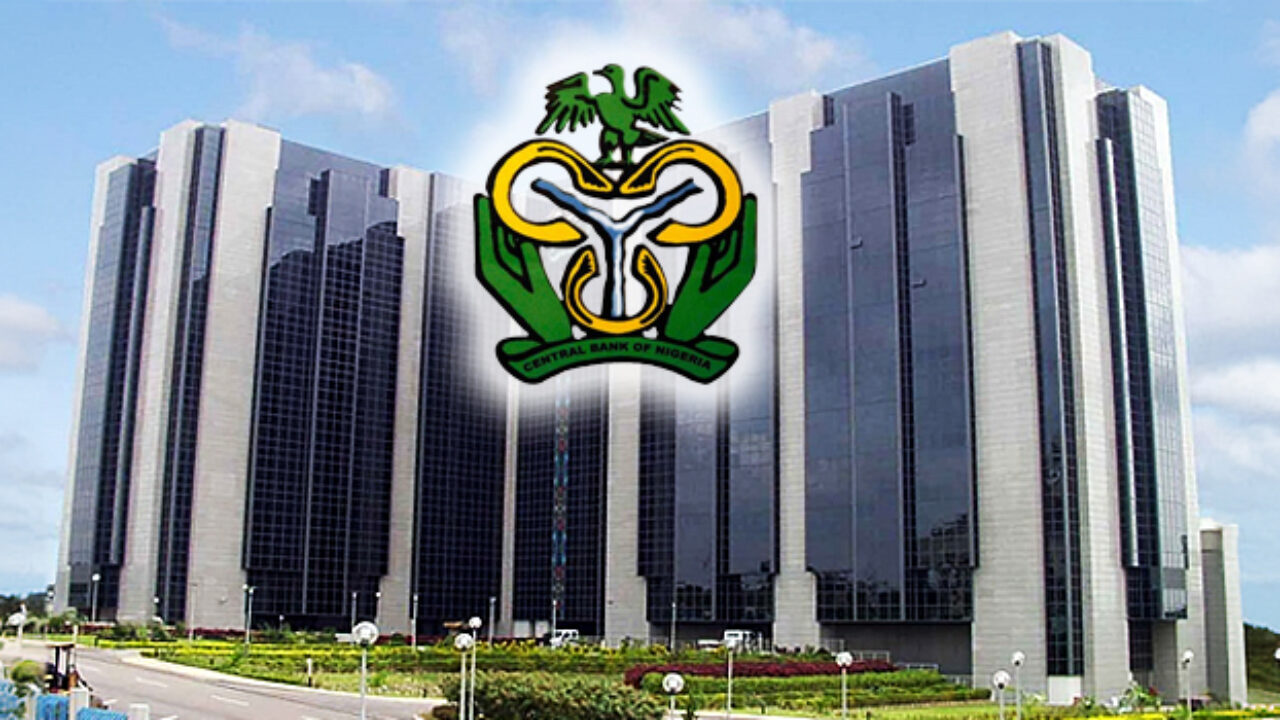
The Central Bank of Nigeria slashed its benchmark lending rate by 350 basis points to 23 per cent on Tuesday, ending a brutal monetary squeeze that began in late 2023. Governor Olayemi Cardoso announced the steep cut following the 307th Monetary Policy Committee gathering in Abuja, setting the asymmetric corridor at plus 50 and minus 300 basis points. The move offers immediate relief to corporate borrowers and commercial banks who have groaned under crushing debt service costs for nearly three years. The central bank is gambling that cooling headline inflation gives it sufficient room to jump-start domestic factory floors. Cheap money carries heavy currency risks.
The scale of the cut surprised financial markets and signals an abrupt policy pivot toward industrial recovery. Dr Muda Yusuf of the Centre for the Promotion of Private Enterprise welcomed the decision, noting that lower rates will help manufacturers, builders, and logistics operators expand payrolls. Cheaper borrowing will also trim the federal government’s sovereign debt service bills, creating fiscal space for delayed infrastructure projects. Commercial banks, however, must now pass these lower policy rates directly to private enterprises rather than pad their net interest margins. Borrowers need immediate rate relief.
Foreign portfolio investors face a very different set of calculations as Nigerian debt yields fall. Offshore asset managers poured billions of dollars into high-yielding treasury bills when the policy rate sat at 26.5 per cent, providing crucial support for the naira. With domestic rates falling while major Western central banks hold borrowing costs steady, the yield advantage that drew foreign capital to Abuja has narrowed sharply. A sudden flight of nervous foreign cash could easily destabilise the currency and reignite domestic price spikes. Hot money leaves quickly.
Mr Cardoso insists that stronger external reserves and rising diaspora remittances will protect the domestic currency against sudden external shocks. Official figures show that the current account surplus jumped by nearly 68 per cent to 7.54 billion dollars, supported by a healthy balance-of-payments cushion. The governor also left cash reserve ratios untouched, proving that the central bank intends to lower lending costs without flooding the financial system with excess liquidity. Yet factories face severe obstacles that interest rate reductions alone cannot cure. High transport costs, erratic electric power, and volatile exchange rates continue to throttle domestic manufacturing.
The true test of Tuesday’s rate cut lies in whether commercial lenders expand real private credit or simply park their excess cash in safe government paper. Dr Ifeanyi Ubah of VNL Capital Asset Management noted that the monetary committee is reading domestic inflation trends with far more confidence than bond traders had expected. If inflation resumes its upward march or the naira weakens on open trading desks, the central bank may have to reverse course and tighten credit once more. For now, Mr Cardoso has delivered a bold gift to Nigerian businesses on his third anniversary in office. The real economy must now show that it can produce growth.