
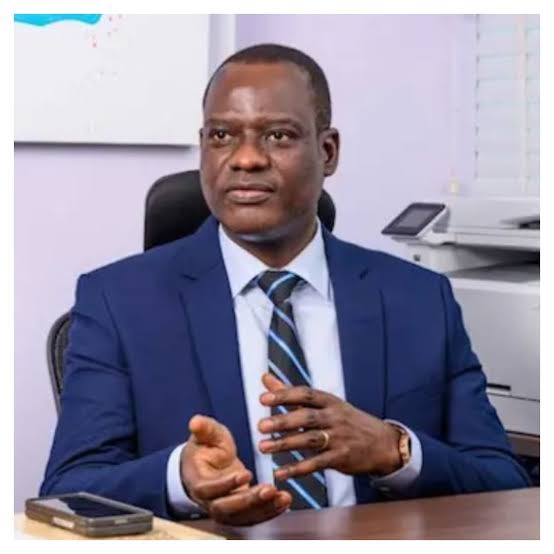
Finance Minister Taiwo Oyedele has said Nigeria “cannot power a $1 trillion economy in darkness”, as he outlined a fresh round of fiscal reforms covering power, agriculture, regulation, inflation and data management. He spoke on Wednesday at the Nigerian Investors’ Forum, held on the sidelines of the IMF and World Bank Annual Meetings in Bangkok, Thailand. His remarks came on the same day the International Monetary Fund warned governments against returning to blanket fuel subsidies, a question now at the heart of Nigeria’s pre-election debate.
Oyedele, who is also Coordinating Minister of the Economy, described reliable electricity as indispensable to the $1 trillion ambition. He also spoke candidly about the jobs market. “Officially, our unemployment rate is around five per cent and poverty rate is higher than 50 per cent. So you have a lot of working poor,” he said, adding that the government’s aim was to create decent jobs, not simply more of them.
The gap between those two figures explains much of the public anger over living costs. A low unemployment rate means little where most people in work earn too little to escape poverty. The National Bureau of Statistics’ last Multidimensional Poverty Index, released in 2022, found that 63 per cent of Nigerians, about 133 million people, were multidimensionally poor.
The IMF’s warning was delivered at a briefing on its October 2026 Fiscal Monitor by Rodrigo Valdés, Director of the Fund’s Fiscal Affairs Department. He said fuel subsidies and other measures that stop prices from adjusting to an energy shock had cost countries between 1 and 1.5 per cent of their gross domestic product this year. “It is, first, fiscally costly,” Valdés said, adding that subsidies are often regressive because wealthier households consume more fuel.
Valdés argued that governments have better tools, and pointed to transport as an example. He suggested that petrol prices could be allowed to rise while bus fares are subsidised, which he described as better policy than a subsidy for everybody. Davide Furceri, a division chief in the same department, said any such support should be limited, targeted and temporary, and paired with stronger revenue collection.
The advice lands in the middle of a heated Nigerian argument. Before President Bola Tinubu ended the subsidy regime in May 2023, NNPC sold petrol in Lagos at about ₦184 per litre. NNPC stations in Lagos now list it at ₦1,355, an increase of more than 600 per cent, while motorists in Yobe pay ₦1,435.
The most recent climb has been driven by global events. Crude oil traded below $69 per barrel before the Middle East conflict escalated in February, and rose above $100 by September as shipping around the Strait of Hormuz was disrupted. Pump prices in parts of Nigeria crossed ₦1,400 within weeks.
The government’s response has stopped short of a subsidy. NNPC Limited is offering a ₦66 per litre discount to customers who pay through its fuel app, which its spokesperson, Andy Odeh, said would run until October 31 and did not amount to a return of subsidy. Oyedele has also said the government is negotiating a ₦1,350 ceiling on the landing cost of petrol, and that taxes and duties waived on the product were worth more than ₦3.3 trillion in the year to September 30.
The opposition is unconvinced. Former Vice President Atiku Abubakar, presidential candidate of the African Democratic Congress, has pledged to restore a targeted subsidy that would lower the cost of crude supplied to local refineries. The Nigeria Labour Congress has given the Federal Government until about October 23 to bring petrol prices back to their 2024 level and begin minimum wage talks.
The fiscal arithmetic remains the government’s strongest argument. The Presidency has said the 2023 budget set aside ₦3.36 trillion for fuel subsidy against projected oil revenue of ₦2.23 trillion. Critics counter that relief has been slow to reach households, even as official data show some easing in prices. The NBS put headline inflation at 15.39 per cent in August, down from 23.14 per cent a year earlier, though food inflation remained at 19.57 per cent.
Economist Ifediora Amobi, a former adviser in the Yar’Adua administration, backed the minister’s approach while acknowledging the strain on families. “The reforms were necessary to reposition the Nigerian economy, but the immediate impact on households and businesses cannot be ignored,” he said in a statement. He urged the government to sustain the reforms while introducing measures that bring relief and stimulate activity.
The IMF’s preferred model depends on reliable data to identify who needs help, an area Oyedele listed among his reform priorities. The minister did not give a timeline for the power and agricultural measures he announced. With the NNPC discount due to end on October 31 and the labour ultimatum close behind, the government’s next steps on fuel are expected within weeks.