
\
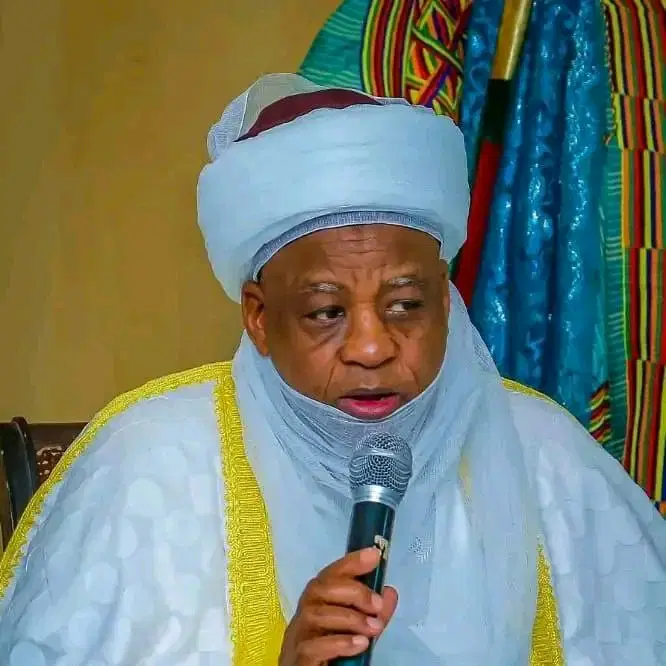
The Sultan of Sokoto and President General of the Nigerian Supreme Council for Islamic Affairs, Alhaji Sa’ad Abubakar, has declared Tuesday, June 16, as the first day of Muharram 1448 AH, marking the beginning of the new Islamic year across Nigeria.
The declaration followed nationwide moon sighting on Monday, June 15, as confirmed in a statement by the Chairman of the Advisory Committee on Religious Affairs of the Sultanate Council, Prof Sambo Junaidu. Muharram is the first month of the Hijri lunar calendar and one of the four sacred months in which warfare is traditionally prohibited.
The Sokoto State Government has declared the day a public holiday to allow Muslims in the state to observe the occasion. In a statement by the Director General of Media and Publicity to Governor Ahmed Aliyu, Abubakar Bawa, the governor urged residents to use the period for prayers for lasting peace and an end to insecurity affecting parts of Sokoto and the wider country.
Governor Aliyu described insecurity, including banditry and other criminal activities, as a major hindrance to national development. He said the federal and state governments are supporting security agencies but emphasised that securing the country remains a collective responsibility for all patriotic citizens. He called on Muslims to engage in sober reflection, seek forgiveness and renew their commitment to righteous living during the new year.
Muharram holds deep significance in Islam. The tenth day, known as Ashura, is observed with voluntary fasting and commemorations that vary across traditions, including the parting of the Red Sea for some Sunni Muslims and the martyrdom of Husayn ibn Ali for Shia Muslims. In Nigeria, where Muslims constitute a substantial portion of the population estimated at around 97 million, the new Islamic year often serves as a time for spiritual renewal and community prayers.
This annual declaration by the Sultan aligns with established practice in the country. Similar announcements have been made in previous years, with some states declaring public holidays to facilitate observance. The timing this year coincides with ongoing security challenges in the North West, where banditry has persisted despite military operations. Data from conflict monitoring groups show continued incidents of violence and displacement in Sokoto and neighbouring states in 2025 and into 2026.
The governor’s call for prayers and collective action reflects broader national conversations on insecurity. Previous statements from religious and political leaders have similarly linked periods of reflection in the Islamic calendar to appeals for peace amid banditry, kidnapping and communal conflicts.
The new Islamic year is expected to see widespread observance across Muslim communities, with emphasis on prayers for national stability. Other states may follow Sokoto’s example with public holidays or special programmes. Legal and governance observers anticipate continued focus on security collaboration between federal, state and community actors as the year progresses.