
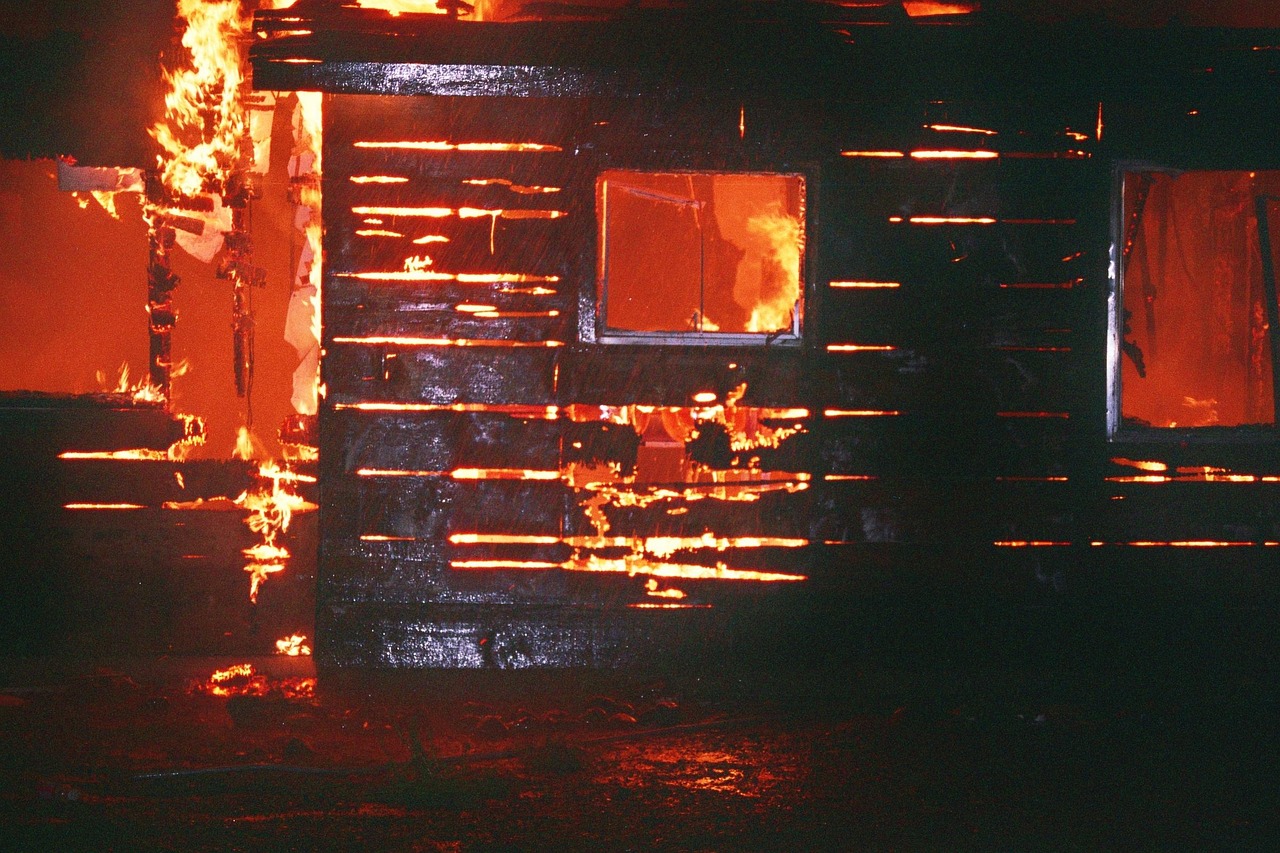
A massive morning fire gutted 110 structures at the Kofar Ruwa Timber Market in Kano State on 31 October 2026. The Kano State Fire Service confirmed that the blaze destroyed 75 permanent shops and 35 temporary sheds stocked with processed wood. A timber merchant raised the alarm at 7:39 am, prompting emergency crews to race to the scene. Thick smoke billowed into the sky.
Firefighters from multiple urban stations quickly deployed heavy hoses to contain the spreading flames. Their swift intervention stopped the inferno from swallowing adjoining commercial zones and residential blocks. Fire Service spokesman Kabiru Isah Jafaru confirmed that responders brought the blaze under control before noon. Emergency teams recorded zero casualties.
The disaster strikes at the onset of the dry harmattan season, when low humidity accelerates fire hazards across open markets. Timber markets remain exceptionally vulnerable because traders stack dry planks, sawdust, and highly flammable chemicals without proper safety buffers. Investigators are still probing the exact cause of the outbreak, though early reports point to faulty electrical wiring or unextinguished debris. Affected merchants now face total financial ruin as millions of naira in inventory turned to ash overnight.
Market fires represent an annual ritual of economic destruction across northern Nigeria’s informal commercial hubs. Municipal authorities routinely promise fireproof infrastructure and mandatory hydrants, yet market layouts remain congested and inaccessible to heavy trucks. Narrow access lanes regularly delay emergency response vehicles trying to reach inner market stalls during sudden infernos. Tragic economic losses follow predictable structural failures.
Kano State Governor Abba Kabir Yusuf faces renewed pressure to enforce strict safety codes across commercial districts. State agencies must compel market associations to install industrial extinguishers, map clear access roads, and inspect electrical connections regularly. Relying on the bravery of under-equipped firefighters cannot substitute for basic urban planning and preventative enforcement. Without structural reforms, the next dry wind will ignite another inferno.
Traders must adopt personal precautions rather than waiting for government intervention to secure their livelihoods. Disconnecting electrical appliances before closing shops and halting open burning near timber yards costs nothing. Local merchant unions must create voluntary safety patrols to spot ignition risks early. Precaution preserves capital far better than government sympathy visits.