
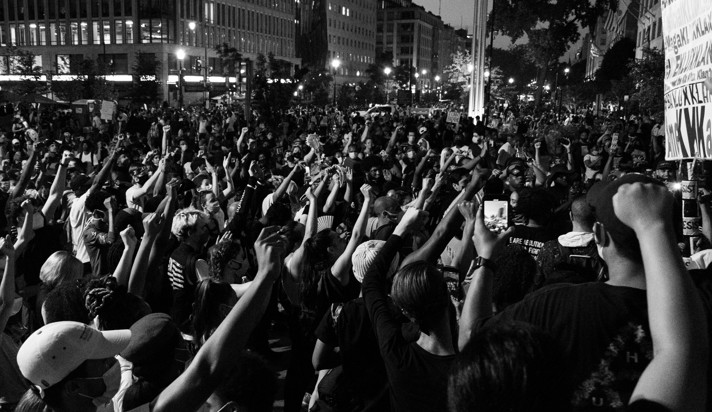
Thousands of young demonstrators flooded central Berlin on 31 October 2026 as Generation Z activist networks launched coordinated protests across 30 German cities. Youth coalitions mobilised thousands of marchers to challenge government inaction on climate targets, rising housing costs, and stagnant entry-level wages. The simultaneous rallies mark the largest coordinated youth mobilisation in Germany since the pandemic era.
Youth organisers used encrypted social media channels to bypass traditional political parties and trade union structures entirely. Standard political campaigns routinely fail to engage young voters facing soaring urban rents and shrinking economic prospects across industrial hubs. Sprawling crowds gathered outside the Reichstag building in Berlin before marching toward federal ministry headquarters.
Chancellor Olaf Scholz faces rising public anger from a younger demographic that feels economically sidelined by traditional coalition policies. German political leaders have long prioritised middle-aged voter demands while leaving young workers to absorb high energy bills and heavy social security taxes. Protesters demand immediate rent caps, aggressive green energy investments, and structural tax relief for low-income wage earners.
Regional police forces deployed heavy security contingents across Berlin, Hamburg, Munich, and Cologne to manage crowds and prevent major traffic disruptions. Local law enforcement officers reported mostly peaceful demonstrations despite brief scuffles with riot units near commercial shopping districts. Police commanders kept march routes open while monitoring activist groups with surveillance drones and mobile patrols.
Youth activist groups warn that weekend rallies represent only the opening phase of a sustained political pressure campaign. Organisers plan to strike secondary schools, university campuses, and public transit nodes over coming weeks if ministers refuse formal dialogue. Corporate employers face immediate recruitment headaches as younger workers reject low-wage internships and demand binding flexible work contracts.
German political leaders can no longer ignore a rising generation that demands real economic fairness and climate action. Pumping public funds into legacy industrial subsidies while neglecting young citizens directly invites persistent civil unrest. Chancellor Scholz must offer concrete policy concessions before street anger transforms into widespread electoral punishment.