
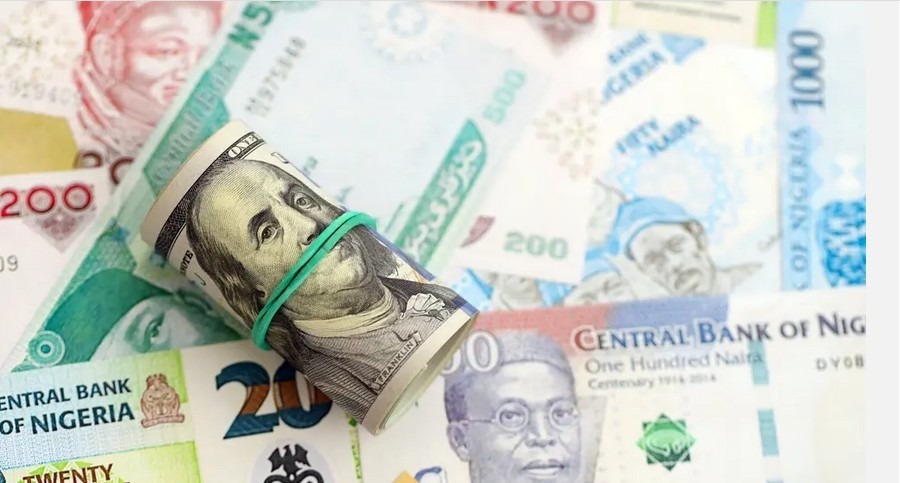
Nigeria’s currency and its external buffers have both lost ground over the past month, ending a brief spell of calm. On Thursday, 19 November, the naira weakened to N1,440 against the United States dollar in the parallel market, down from N1,375 a month earlier. Official data from the Central Bank of Nigeria shows a matching slide at the Nigerian Foreign Exchange Market, where the rate fell by four per cent to close at N1,388 per dollar.
Gross external reserves shed $406m between 19 October and 18 November, dropping from $55.119bn to $54.713bn. That steady leak punctured the optimism from late September, when Olayemi Cardoso, the central bank governor, celebrated pushing reserves past $55bn for the first time in over 18 years. Defending a currency proves far trickier than hoarding dollars during a lull.
Trading logs from Abuja and Lagos show that the pressure gathered pace across three consecutive sessions this week. The official rate slipped from N1,363 per dollar on Tuesday to N1,379.99 on Wednesday, before losing another N8.01 on Thursday. Street traders in the informal market quickly priced in the anxiety, though some still offered slight discounts to buyers looking to buy dollars in large bulk.
Seasonal import demand explains part of this sudden hunger for hard currency, according to Ike Ibeabuchi, an emerging markets economist. Companies and traders routinely scramble for dollars ahead of the year-end festive rush, just as inflows from exporters and foreign investors have slowed down. When supply dries up at the exact moment buyers queue at the door, prices move in only one direction.
Politics, however, poses a sharper threat to the stability Mr Cardoso credits to policy discipline and diaspora remittances. Muda Yusuf, who leads the Centre for the Promotion of Private Enterprise, warns that early campaign spending is flooding the economy with excess cash. Politicians rarely route undocumented election war chests through official bank windows, pushing that illicit demand straight into the parallel market.
Loose talk on the campaign trail is also spooking the foreign portfolio investors who helped prop up the market earlier this year. Several political figures have publicly promised to scrap President Bola Tinubu’s economic reforms and bring back costly petrol subsidies if they win power. Money moves fast when policy looks reversible, leaving the central bank to burn through its hard-won reserves to steady the ship.