
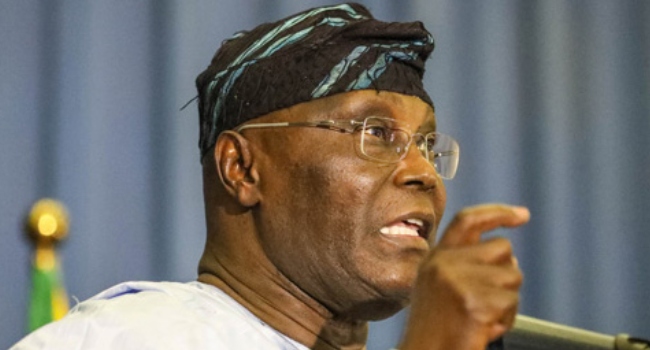
Atiku Abubakar, the presidential candidate of the African Democratic Congress, has demanded that the Independent National Electoral Commission submit its proposed Artificial Intelligence system to an independent audit before the 2027 elections. In a petition sent to the electoral body on November 19, 2026, the former vice president warned that opaque algorithms could quietly delay or block polling unit results. Nigeria’s electoral umpire plans to link its Data Verification and Authentication System with the Result Viewing portal using intelligent document processing, yet the rules governing that software remain hidden from public view.
Technology in Nigerian elections rarely fails cleanly. Mr Abubakar wants independent cybersecurity experts, party agents and civil society technologists to inspect the source code, training data and vendor identities before the nationwide mock accreditation scheduled for November 28, 2026. Asking voters to trust a black box after the transmission glitches of past polls tests the limits of public patience.
The practical risks of automated document reading in rural polling booths are obvious to anyone who has seen a worn-out tally sheet. Poor lighting, smudged ink and hurried handwriting can easily confuse optical software, causing machines to flag valid returns as errors. An algorithm cannot distinguish between clumsy penmanship and deliberate fraud without clear, human-led rules for review.
To prevent software glitches from disenfranchising voters, the opposition candidate insists that the physical Form EC8A must keep its supreme legal status over any digital assessment. A machine’s verdict should assist human officials rather than quietly overriding the paper tally signed by presiding officers and party agents at the booth. When paper and code disagree, the evidence witnessed by voters on the ground must prevail.
Mr Abubakar also wants political parties to monitor the digital pipeline in real time through a dedicated observer dashboard. Such access would let agents spot unusual patterns of blocked uploads or selective delays while voting is still underway, rather than discovering them weeks later in an election tribunal. Sunlight works best before the ink dries on a final declaration.
Beyond the electoral commission, the petition urges the National Assembly to summon INEC’s leadership and technology directors to defend the system’s safeguards in public. Mr Abubakar also advised ordinary citizens to record announced results at their polling units so the public holds an independent ledger against electronic tampering. Trust in Nigeria’s ballot box depends less on clever software than on proving that no hidden code stands between a voter and the count.