
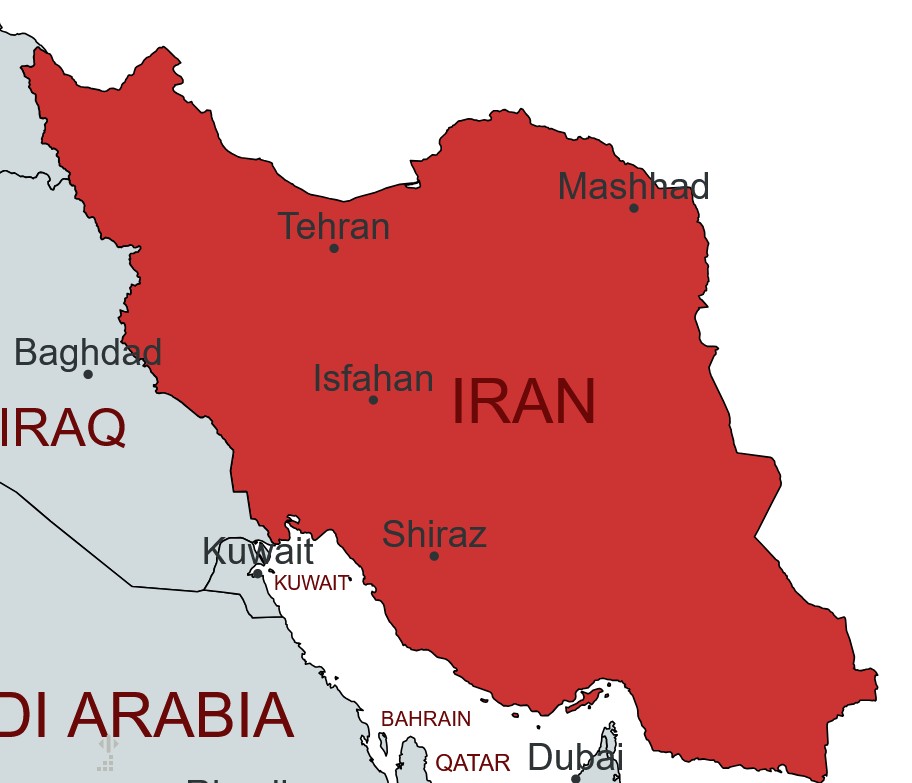
Tehran announced on Thursday, 27 August 2026, that it is drafting formal terms to reopen the Strait of Hormuz to international shipping. Iranian security chief Mohsen Rezaei declared that officials will publish these demands once foreign ministry desks conclude technical reviews. The move follows six months of continuous military friction that effectively severed commercial maritime transit through the Persian Gulf. Iran closed the strategic waterway after American and Israeli air strikes hit Iranian infrastructure in late February. A brief 60-day memorandum of understanding signed in June collapsed early after both capitals accused each other of bad faith. Washington reinstated secondary sanctions and a naval blockade, while Tehran resumed mining operations and missile strikes on passing hulls. Iranian planners now seek to turn their control of the waterway into permanent economic relief. Geopolitics in the Gulf has become an exercise in coercive toll collection.
In Washington, President Donald Trump struck a dismissive tone, telling reporters that he feels no urgency to restart formal negotiations. Speaking in the Oval Office on Thursday, Trump insisted that Iranian authorities are begging for an economic exit route. He claimed that American minesweepers had already cleared the passage and that millions of crude barrels flow daily. Maritime insurance registries and commercial vessel tracking data paint a far more cautious picture. Major shipping conglomerates still avoid the strait because coastal missile batteries remain active. American officials believe that deep economic pain inside Iran will eventually break political resistance in Tehran. Sanctions have battered the Iranian rial and pushed domestic consumer prices to record highs. White House advisers think economic exhaustion will deliver total diplomatic capitulation.
Tehran’s draft conditions aim to dismantle the legal foundations of American financial pressure. Iranian negotiators want full guarantees that Washington will lift energy export embargoes before commercial traffic resumes. They also insist that Western naval fleets withdraw beyond the Sea of Oman to prevent future maritime blockades. Iranian foreign policy planners know that a fifth of global seaborne oil passes through their front yard. They intend to extract a heavy diplomatic price for every single tanker that transits the channel. By codifying these demands into a formal public charter, Tehran seeks to rally regional oil importers against American policy. Asian buyers desperately need Gulf crude to keep domestic refineries running at full capacity. Iran uses global energy anxiety as a heavy geopolitical lever.
Regional intermediaries have intensified shuttle diplomacy to bridge the widening gulf between the two capitals. The Prime Minister of Qatar visited Tehran on Thursday to hold urgent closed-door sessions with Iranian ministers. Qatari diplomats urged both sides to step back from naval brinkmanship and revive the broken June accord. Omani envoys also presented fresh proposals for a joint navigational channel that would bypass active military zones. Yet technical fixes struggle against fundamental political disagreements over sovereignty and sanctions. Washington refuses to make advance concessions, while Tehran rejects unmonitored American naval escorts. Gulf monarchies watch nervously as their primary export artery remains under constant threat. Proximity to the conflict leaves regional states with almost zero margin for error.
The military reality along the southern Iranian coast complicates every diplomatic compromise on the table. Revolutionary Guard commanders have scattered mobile anti-ship missile units throughout rocky coastal caves along the shoreline. They deploy cheap drone swarms and fast-attack patrol boats that can overwhelm conventional naval escorts within minutes. American commanders possess superior naval firepower, but clearing hidden sea mines takes weeks of dangerous labour. A single errant naval shell or drone strike could ignite a wider regional conflagration. Insurance syndicates in London will not lower their war-risk premiums on political promises alone. Commercial shipowners demand absolute physical safety before sending billion-dollar vessels into contested waters. Navies can fire warning shots, but they cannot force nervous merchant crews to sail.
The domestic economy in Iran continues to absorb staggering structural damage after six months of direct economic warfare. Inflation rates exceed forty per cent, destroying the purchasing power of ordinary workers across major cities. Factory managers cannot buy essential machine parts due to secondary banking restrictions across the region. State security forces face growing public anger over rising food costs and chronic water shortages. Yet the clerical leadership maintains that yielding to American diktats would invite permanent political subjugation. Hardline factions argue that holding the Strait of Hormuz hostage provides the only effective deterrent against Western regime change. Economic misery rarely converts into instant political surrender in authoritarian states. Hardship often hardens ideological resolve inside ruling circles.
Developing nations thousands of miles away carry the worst indirect costs of this protracted maritime siege. African agricultural economies face acute fertiliser shortages because petrochemical shipments from Gulf ports remain blocked. Global freight firms reroute container vessels around southern Africa, adding weeks to shipping times and inflating import costs. Central banks across emerging markets must burn precious foreign currency reserves to pay for expensive fuel. The standoff in the Persian Gulf directly fuels retail food inflation in distant trading hubs. Western policy planners frequently ignore these wide ripple effects when designing economic sanctions. World trade remains deeply interconnected despite political efforts to divide it. A blocked strait in the Middle East starves dinner tables across the global South.
The coming days will test whether public declarations from Tehran can unlock genuine backchannel diplomacy. Iranian officials plan to hand their terms to regional mediators before the United Nations General Assembly convenes next month. If Washington dismisses the package out of hand, the maritime crisis will drag deep into the winter months. Trump may discover that declaring a waterway open does not convince international oil tankers to navigate minefields. Tehran will also learn that economic blackmail produces diminishing diplomatic returns as trading partners find alternatives. Both adversaries remain trapped in an expensive cycle of mutual coercion that neither can easily win. Until one side blinks, the Strait of Hormuz will remain the world’s most dangerous body of water.