
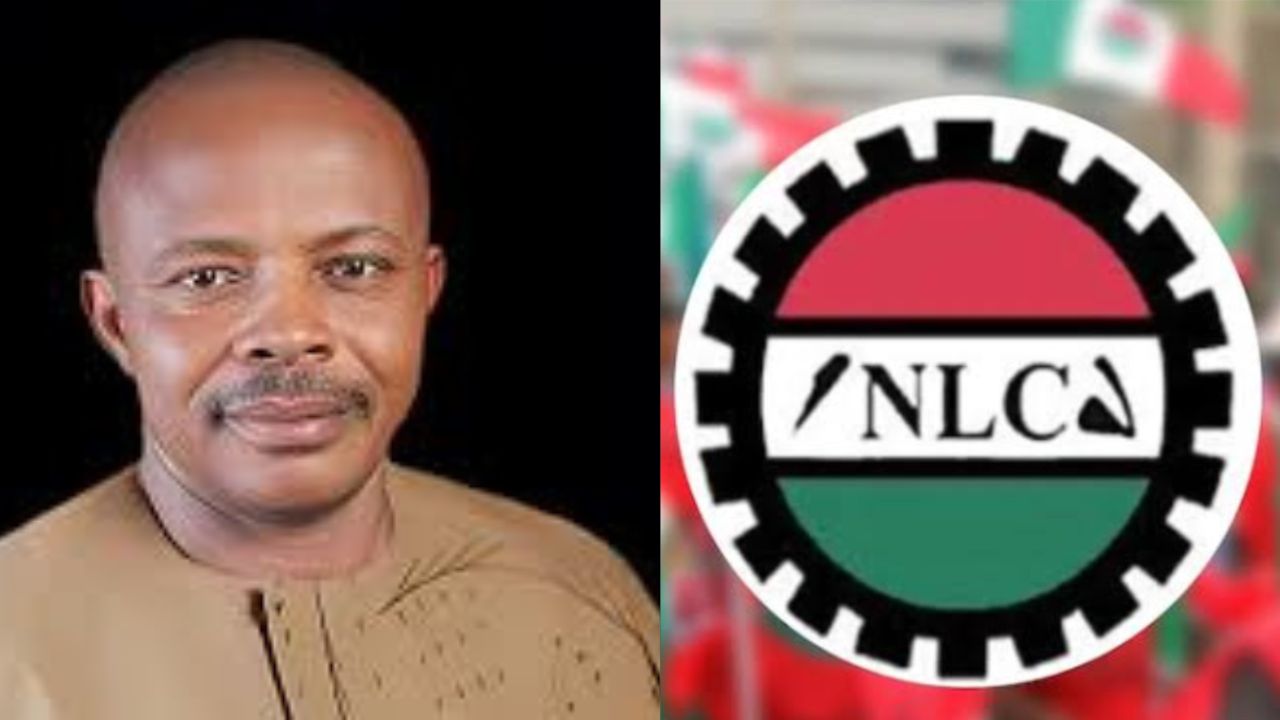
The Nigeria Labour Congress warned on Thursday, 1 October 2026, that runaway inflation has completely wiped out the purchasing power of the statutory 70,000 naira national minimum wage. Speaking in Abuja as the country marked its sixty-sixth year of independence, labour president Joe Ajaero accused President Bola Tinubu’s administration of abandoning breadwinners to cruel market winds. Paper pay rises buy nothing in Nigeria today.
Ajaero demanded an immediate, detailed audit of trillions saved from abolished fuel subsidies, asking state treasurers why public misery keeps growing while federal coffers report massive revenue. The labour chieftain blasted the state for importing refined fuel despite sitting on Africa’s richest crude deposits, an operational failure that leaves local motorists directly exposed to international market swings. Domestic refineries remain silent monuments to public graft.
Civil rights groups rallied behind the unions, with Human Rights Writers Association coordinator Emmanuel Onwubiko urging the federal executive to cut pump prices to 500 naira per litre. The coalition threw its full weight behind a three-day warning strike planned by federal civil servants, warning that soaring bus fares and costlier food will push millions into extreme poverty. Empty pots break civic patience very quickly.
Union negotiators also called for an urgent tripartite committee to begin early negotiations for a higher wage threshold before the 2027 electoral cycle begins. State planners counter that reckless pay reviews simply spark fresh rounds of currency depreciation and widen public deficits. Pumping paper cash cannot fix broken supply chains.
The confrontation proves that nominal wage hikes offer no real cure for deep structural decline. Without working refineries, cheap public transit, and genuine food security, every cash injection from the treasury merely feeds the fire of inflation. Government officials cannot preach sacrifice while ignoring empty plates.