
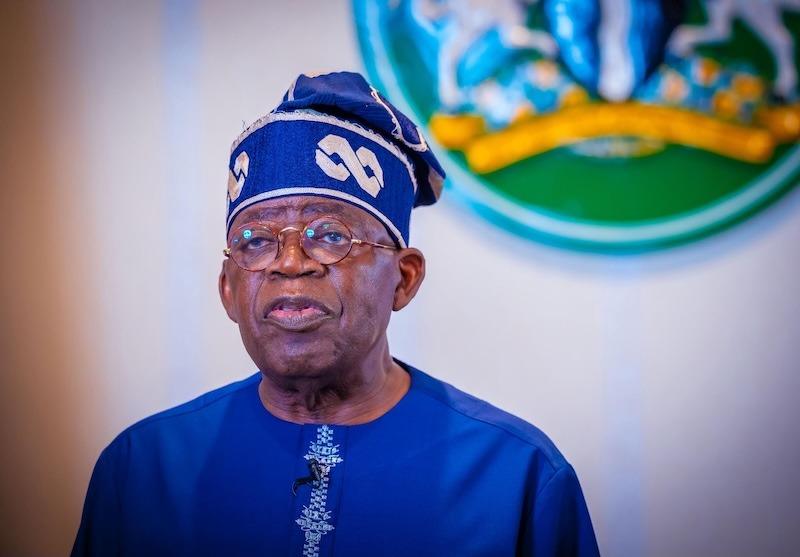
President Bola Tinubu told a weary nation on Thursday, 1 October 2026, that his economic reforms had finished their foundational work and opened a new era of shared prosperity. Delivering his national broadcast from Abuja to mark Nigeria’s 66th Independence Day anniversary, the head of state firmly rejected mounting calls to bring back consumer fuel subsidies or abandon his market-driven currency programme. He insisted that the federation had crossed its own Red Sea and corrected its historical course through painful public sacrifices. Hard economic reality tests these rhetorical claims.
The president anchored his upbeat message on macroeconomic indicators, citing national output growth above four per cent in 2026 across both petroleum production and non-oil commerce. He pledged to place industrial expansion, private enterprise, and job creation at the very centre of state action by using domestic gas reserves to power revived urban factories. He also highlighted state-backed credit schemes such as the Nigerian Consumer Credit Corporation and student loan facilities as proof that public institutions now back ordinary citizens. Broad macro numbers feed no hungry families.
Living costs remain the primary battlefield for the administration as food prices, transport fares, and electricity tariffs continue to drain family income across the federation. Tinubu acknowledged that the state cannot erase generations of structural decay in four years, yet he insisted that targeted social cash transfers provide an effective bridge out of poverty. Organised trade unions and civil servants still demand immediate wage adjustments, warning that soaring pump prices neutralise the statutory base pay. Angry households measure success by market prices.
Federal planners plan to update the National Social Register to funnel direct cash aid to indigent households while urging domestic firms to sell finished Nigerian goods to global markets. The president urged citizens to embrace collective discipline and look forward rather than dwell on past hardships, declaring that the country will never turn back to unsustainable populist policies. Delivering lower supermarket prices will prove far more difficult than making optimistic holiday broadcasts to a cynical electorate. Good intentions build no factory floors.
Political survival now depends on converting dry macroeconomic data into tangible relief before voters march to the ballot box for the 2027 general elections. The administration must curb rampant food inflation, restore security to agrarian rural belts, and keep the naira stable without starving commercial banks of liquidity. As festive parades conclude across state capitals, ordinary citizens will judge this promised age of prosperity by the cost of petrol, bread, and transport in the coming weeks. Promises cannot cook empty family pots.