
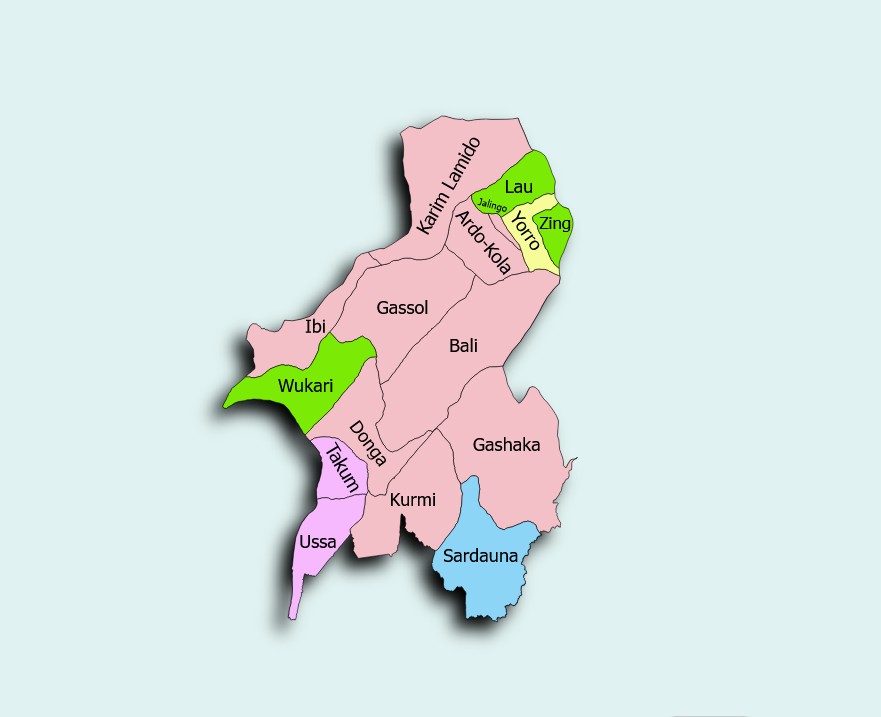
The National Drug Law Enforcement Agency has seized 2,530 kilogrammes of illicit drugs and arrested 382 suspects in Taraba State. State Commander Javanson Kwalma announced the cumulative results of the anti-narcotics campaign during a security briefing on Thursday. Operatives intercepted massive quantities of cannabis sativa, tramadol, codeine syrup, and methamphetamine over the first half of the year. The sheer volume of the recovered contraband highlights a troubling reality for the agrarian state. It has rapidly evolved from a mere transit route into a major consumption hub for synthetic stimulants.
The state command linked the surging narcotics trade directly to weak border infrastructure and rising local violence. Traffickers routinely exploit the vast, porous boundaries between Taraba and neighbouring Cameroun to bring in highly addictive synthetic chemicals. Local syndicates then distribute the haul among rural communities, worsening a persistent regional security crisis. Security officials note that armed bandit groups frequently use these psychoactive substances to steel their nerves before launching raids. The trade creates a self-sustaining cycle where drug money funds arms purchases, and violence creates ungoverned spaces for dealers.
Traditional authorities have reacted to the shocking data with deep alarm regarding the state’s socio-economic stability. The Galadima of Muri Emirate, Alhaji Tukur Abba Tukur, described the internal rot caused by addiction as entirely pathetic. He publicly urged the state government to declare an immediate state of emergency on illicit drug consumption. Community leaders argue that conventional policing methods cannot match the sophisticated digital networks that cartels use to coordinate shipments. The breakdown of traditional family discipline has left underemployed youths highly vulnerable to the aggressive marketing strategies of retail syndicates.
The federal headquarters of the agency is currently pushing an intensive demand-reduction programme alongside its tactical raids. Under its signature War Against Drug Abuse campaign, operatives have conducted thousands of sensitisation lectures across places of worship, markets, and motor parks. Despite these massive public relations efforts, the lucrative nature of cross-border smuggling keeps drawing in new distributors. The agency faces a steep uphill battle in convincing impoverished rural residents to abandon a trade that promises quick, high-yield cash returns.
The state command intends to deploy advanced intelligence analytics to permanently disrupt the supply chains of regional drug barons. However, long-term success requires a coordinated judicial follow-through to ensure that the 382 arrested suspects actually face stiff jail sentences. Past anti-drug efforts have repeatedly faltered due to slow prosecution timelines and corrupt court processes. If these cartels are allowed to buy their way out of trouble, the recent seizures will remain nothing more than temporary logistical setbacks.