
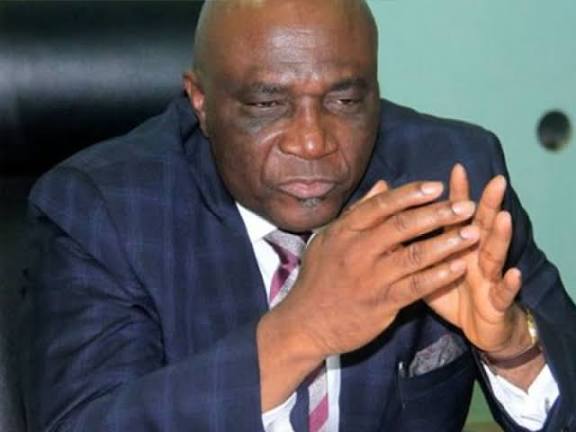
The Special Adviser to President Bola Tinubu on Information and Strategy, Mr. Bayo Onanuga, has said he does not personally see the level of hunger frequently described in public discussions, defending the administration’s economic record even as official data points to deepening hardship across the country.
Speaking on Arise Television on Tuesday, June 23, 2026, Mr. Onanuga argued that several government programmes and infrastructure projects were already delivering measurable benefits to citizens. He cited improvements in road infrastructure as one of the visible outcomes of the administration’s policies, recounting a recent trip from Ibadan to Lagos where he encountered a newly built concrete road through Ijebu-Ode.
“I found that our people, I mean, our Ijebu people, have stopped complaining,” he said. He also pointed to the coastal highway project, which he said had reduced his commute to Ajah from two hours, 30 minutes, to “one hour, seven minutes.”
The presidential aide highlighted the Federal Government’s interest-free student loan scheme and single-digit credit facilities for civil servants as examples of policies easing financial pressure. “I don’t see the level of hunger people are talking about because I see them, and I keep asking them questions,” he said, referring to people working for him privately.
His remarks land against a backdrop of figures that paint a more difficult picture. The World Bank, in its April 2026 Nigeria Development Update, said the country’s poverty rate climbed to 63 percent in 2025, up from 56 percent in 2023, leaving roughly 140 million people below the poverty line. The bank projected that the rate would reach 62 percent in 2026, or 141 million poor Nigerians, before easing slightly to 61 percent in 2027.
The trend has been sharp. According to data cited by PwC and the World Bank, the number of Nigerians in poverty rose from about 81 million in 2019 to roughly 139 million in 2025, with around 14 million people falling into poverty between 2023 and 2024 alone. Food accounts for up to 70 percent of total consumption among poorer households, leaving them especially exposed to price shocks.
On inflation, the picture is mixed. The National Bureau of Statistics reported that headline inflation rose to 15.93 percent in May 2026, the third consecutive monthly increase, up from 15.69 percent in April but down sharply from 26.06 percent in May 2025. Food inflation and transport costs continued to climb, partly driven by the pass-through of the March fuel price shock linked to the Middle East conflict.
The comments echo a recurring theme in the administration’s messaging. The same interview saw Mr. Onanuga accuse sections of the Nigerian media of creating a false narrative of insecurity. The economic debate itself traces back to a viral clip from the administration’s early days. Mr. Onanuga recalled a voice-over on a video of the President saying “Ebi n pawa o,” meaning “we are hungry,” which he said had since shaped public sentiment.
Public concern over the cost of governance has remained a live issue. The same hardship Mr. Onanuga downplayed formed the legal basis on which the Federal High Court in Lagos, last month, voided the National Assembly’s N110 billion vehicle and allowance scheme, with the court citing widespread financial hardship among citizens.
Whether the administration’s infrastructure gains will translate into relief for the 141 million Nigerians the World Bank counts as poor remains, on current data, an open question.