
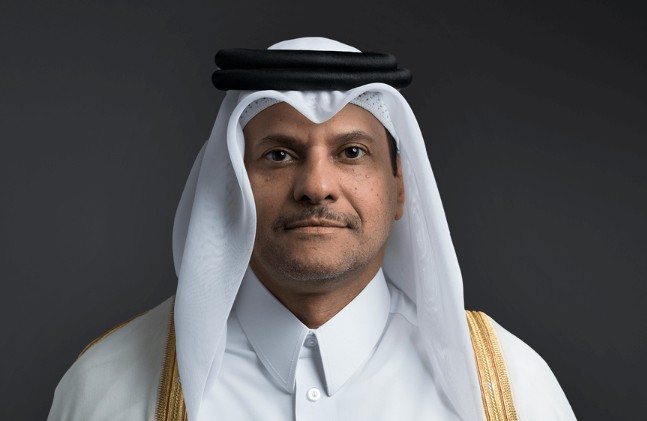
Global energy markets face their worst disruptions yet as the widening war involving the United States, Israel, and Iran threatens international sea lanes, Qatar warned on Monday, 19 October. Qatari Deputy Prime Minister Sheikh Saoud bin Abdulrahman Al Thani told delegates at the Global Security Forum in Doha that world consumers must brace for severe trade shocks in the coming months. Maritime warfare wrecks fragile supply lines. The minister pointed out that the strategic Strait of Hormuz remains volatile following strikes that began on 28 February, leaving oil and liquefied natural gas shipments exposed to naval mines and missile barrages.
Doha learned the harsh cost of regional escalation when Iranian strikes hit its Ras Laffan industrial complex in March, inflicting physical damage that engineers will spend years repairing. Industrial gas facilities require delicate maintenance. Al Thani confirmed that Qatari forces shot down two Iranian warplanes over the Al Udeid airbase during those early clashes, proving that even well-defended energy hubs cannot escape sudden destruction. Shared offshore gas reservoirs compel Qatar to talk directly with Tehran despite open cross-border hostility, because geographic proximity gives neither neighbour the luxury of permanent silence.
The deputy prime minister pushed back against regional efforts to levy transit tolls on merchant vessels passing through the narrow Strait of Hormuz. New shipping fees raise consumer prices. Western factories already buy dearer fuel because maritime insurers price the Persian Gulf corridor as an active war zone, leaving merchant navies stranded outside the Gulf of Oman. Shorter tanker routes yield very little when private shipowners refuse to risk multimillion-dollar hulls against drone swarms and floating naval explosives.
Diplomats from Qatar, Oman, and Pakistan now run mediation channels to broker an elusive ceasefire between Washington, Tel Aviv, and Tehran before winter fuel demand drains international reserves. Talking to enemies remains messy work. Al Thani urged Gulf states to build commercial ties with Tehran along the lines of post-war Franco-German integration, though regional missile strikes make cross-border trust difficult to sell to nervous domestic voters. Doha will announce a fresh regional air defence and counter-drone alliance soon, showing that mediation efforts never replace heavy military readiness.
World leaders who treat the Middle East conflict as a localised shooting war ignore how rapidly gas shortages can paralyse distant manufacturing economies. Energy supply lines snap very quickly. If strikes shut the Persian Gulf for good, Asian buyers and European households will bid against one another for scarce fuel cargoes at rates that break national budgets. Unchecked escalation around Hormuz leaves world trade standing directly on the edge of an historic supply collapse.