
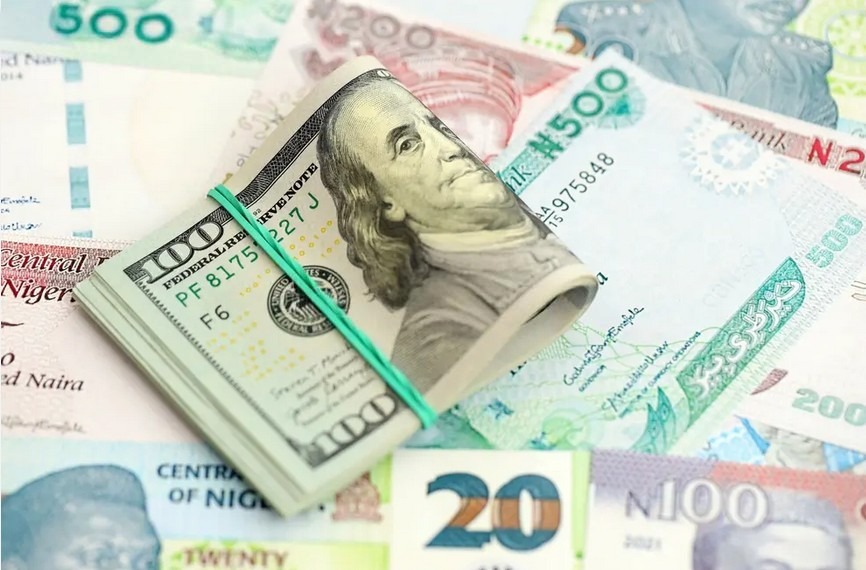
Diaspora remittances into Nigeria flattened at 21.8 billion dollars last year as global economic headwinds slowed the growth of offshore funding. Data from the Central Bank of Nigeria’s latest quarterly statistical bulletin reveals a negligible drop from the 21.811 billion dollars recorded the previous year. This stagnation follows a period of rapid expansion, during which inflows grew by over 13% within twelve months. Tighter immigration rules in Western capitals and high transaction fees have combined to cap the growth of these vital household subsidies. The slowdown threatens the state’s efforts to build up foreign reserves.
The plateau follows a period of volatile swings in personal capital transfers across the developing world. Inflows plummeted to 17 billion dollars during the global pandemic before recovering sharply as overseas workers increased their financial support. Last year saw a steady quarterly climb from 5.1 billion dollars in the first three months to 5.7 billion dollars by December. This year-end spike reflects the traditional festive spending that usually cushions local families against runaway domestic inflation. It shows that while the appetite to send money home remains strong, the capacity of migrants has peaked.
Sub-Saharan Africa remains the most expensive geographical region for cross-border retail money transfers. The World Bank reports that the average cost of sending funds to the continent sits at nearly 8.5%. This figure is significantly higher than the global average of 6.3% recorded over the same period. In contrast, sending money to the Middle East and South Asia costs just over 5% per transaction. High fees mean a substantial portion of migrant earnings is swallowed by middlemen before reaching recipients.
Traditional commercial banks remain the worst offenders in maintaining these inflated transaction costs. The global lender notes that banking institutions charge an average fee of nearly 15% on international retail transfers. Financial technology platforms and digital applications have forced down charges elsewhere, but local reliance on physical bank branches keeps structural expenses high. This digital divide penalises poor households that lack access to modern mobile money wallets. It also encourages users to bypass formal channels entirely in favour of the informal cash network.
The stagnation in formal remittances complicates the task of the central bank in balancing the national accounts. These inflows historically provide a more reliable source of hard currency than volatile foreign portfolio investments. When formal channels become too expensive, capital migrates to the unofficial black market to seek better returns. The government must find ways to lower transfer hurdles if it hopes to harness this diaspora wealth effectively. Without structural reforms to transaction pricing, more of this capital will simply disappear into the shadows.