
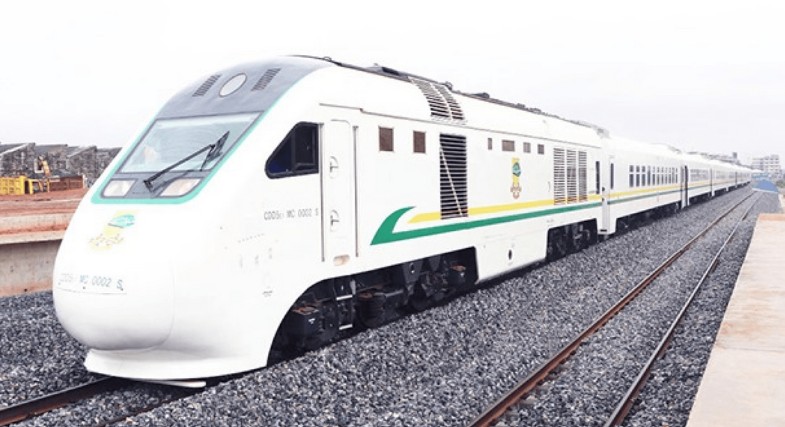
The Nigerian Railway Corporation is considering an upward review of passenger and freight tariffs across its entire rail network. Senior management officials cite a crushing surge in monthly operating expenses as the primary driver behind the looming fiscal adjustment. The proposed hike comes directly after the expiration of a short-lived fifty per cent government holiday discount. Passengers and commercial logistics firms now face significantly higher commuting costs as the state-backed transport monopoly seeks to rescue its deteriorating finances.
Surging diesel prices present the most immediate threat to the balance sheet of the rail regulator. The corporation burned through more than 1.2 billion naira on automotive gas oil in April alone. This massive fuel bill accounts for the vast majority of its monthly cash outflows. Compounding the energy crisis, the continuous devaluation of the local currency has vastly inflated the cost of imported locomotive spare parts. Internal bean-counters warn that the current fare structure cannot survive these compounding macroeconomic pressures.
The fiscal distress leaves rail administrators with very few operational choices. The state carrier must either raise ticket prices across the board or systematically ration train services on less profitable routes. Any final tariff adjustments will hit major arterial routes, including the Lagos-Ibadan, Abuja-Kaduna, and Warri-Itakpe standard-gauge lines. Cargo handlers warn that higher freight fees will instantly translate into costlier consumer goods at local markets. Commuters already feel trapped between failing road networks and increasingly unaffordable mass transit alternatives.
A steep rise in systemic security costs has further hollowed out corporate revenues. The corporation now diverts massive tranches of its operational budget to protect critical infrastructure against aggressive vandalism and armed theft. Frequent rail corridor attacks require expensive, round-the-clock deployments of military personnel and specialized surveillance technology. Higher electricity tariffs and soaring commercial insurance premiums also add heavily to the corporate financial burden. These security outlays prevent any meaningful capital reinvestment into upgrading older passenger coaches.
The managing director of the corporation, Kayode Opeifa, downplayed immediate public panic while acknowledging the severe fiscal strain. He insists that the management team remains heavily committed to the affordable transit targets of the presidency. However, his office is quietly searching for alternative structural solutions to balance the books. Independent transport analysts believe a major tariff correction remains completely inevitable before the final quarter of the year. The state can no longer afford to absorb the immense deficit of a subsidized railway sector.