
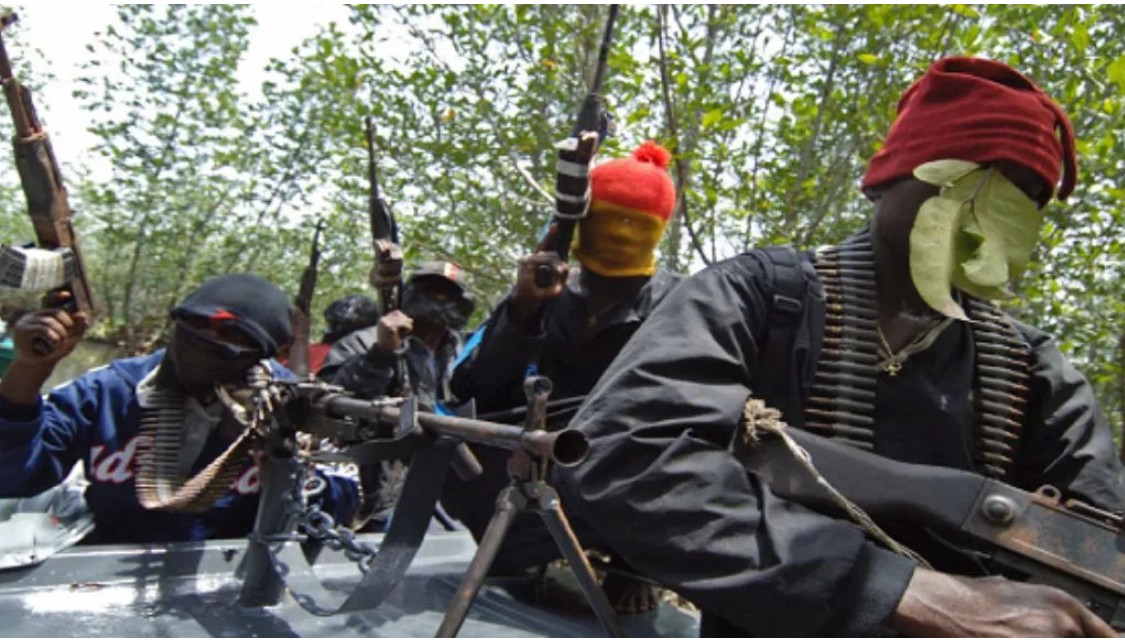
Armed bandits overran the remote farming settlements of Kokani and Kigbira in the Borgu council area of Niger State on Thursday, 8 October, setting mud-brick homes ablaze, killing dozens of defenceless villagers, and driving thousands of terrified peasants into the harsh bush along the Benin Republic border. Deadly violence returns to mock state assurances. Superintendent of Police Wasiu Abiodun admitted that frantic firefights wounded four local vigilantes and forced entire families to flee their ancestral compounds, yet his calculated refusal to confirm civilian deaths reflects an official habit of downplaying rural massacres while roving killers wipe farming hamlets off the national map.
The weekend carnage strikes the same traumatised district that suffered an enormous assault barely eight weeks ago, when heavily armed motorcycle squads slaughtered fifty residents, marched over five hundred hostages into deep forest reserves, and turned productive grain fields into an abandoned wasteland. State authorities never learn from past butchery. Governor Mohammed Bago and federal security chiefs promised swift rescue missions and permanent border patrols following that August raid, yet the government failed to dislodge the forest garrisons, leaving vulnerable rural taxpayers to harvest their crops under the direct extortion of ruthless warlords who collect illicit levies with impunity.
Military search parties aborted earlier rescue sweeps because the woodland gangs buried improvised explosive devices beneath major dirt roads, creating lethal minefields that blew apart government patrol trucks and shielded jungle hostages from federal troops long before infantry columns could ever reach the kidnappers’ hidden forest redoubts. Crude roadside explosives now dictate tactical limits. By adopting sophisticated booby-trap tactics from north-eastern insurgents, these Borgu forest militias demonstrate that rural criminal gangs have upgraded their lethal capacity, establishing heavily fortified buffer zones where conventional army convoys fear to advance and state police divisions lack the mine-detection gear to maintain basic public order.
The grim burden of community defence falls squarely upon poorly equipped local hunters and vigilante volunteers, who face military-grade assault rifles with antique flintlocks, basic Dane guns, and sheer bravery while political leaders in Minna and Abuja release rehearsed condolence statements from the air-conditioned safety of heavily guarded executive suites. Bare courage cannot match automatic weapon fire. When state governors leave remote border villages to unpaid neighbourhood watchmen, farming families inevitably abandon their fertile croplands, accelerating a massive rural exodus that starves regional wholesale markets of staple food grains and drives consumer food inflation higher across major cities throughout western Nigeria.
Joint security teams arrived in Borgu only after smoke rose from the burning compounds of Kokani and Kigbira, exposing how military headquarters rely on sluggish mop-up details instead of maintaining permanent, aggressive combat patrols along the country’s most vulnerable inland border corridors. Late troop deployments save no human lives. Until federal defence chiefs deploy sustained drone surveillance over the vast Kainji game reserve basin, clear explosive traps from rural transit roads, and treat forest banditry as a national emergency, lawless bush gangs will continue to torch agrarian hamlets, murder farmers, and mock the sovereign authority of the Nigerian state.