
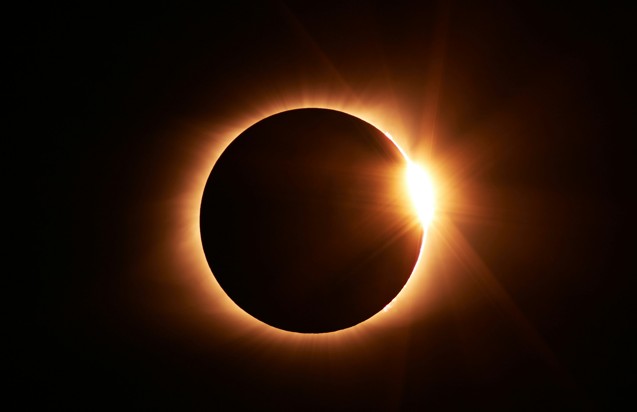
A rare total solar eclipse will sweep across western Europe today. Millions of sky watchers have gathered along a narrow corridor stretching from Greenland and Iceland down to northern Spain. This cosmic event marks the first total solar eclipse visible from mainland Europe in nearly three decades. The moon will briefly hide the sun. Local tourism boards report record hotel bookings across key viewing zones like Reykjavik, Santander, and Zaragoza. The celestial spectacle offers a rare windfall for local hospitality industries across southern Europe.
Scientists and amateur astronomers spent months tracking weather models to secure clear viewing conditions. Spanish coastal towns expect peak crowds because totality occurs shortly before sunset under clear skies. Travelers paid inflated rates for last-minute flights and rental cars across the Iberian Peninsula. Airlines scheduled special charter flights to chase the shadow. European transport networks face heavy congestion near prime observation points throughout the day. Solar chasing remains a costly human pursuit.
Partial views of the phenomenon will extend far beyond the narrow path of total coverage. Major urban centres like London, Paris, and Dublin will see over 90 percent of the sun obscured. Direct solar viewing poses real medical hazards. Public safety agencies issued warnings against looking directly at the sun without certified eye protection. Health authorities fear widespread eye damage from careless viewers using improvised filters or uncertified glasses. Local retailers sold out of specialized eclipse glasses weeks before the event began.
Beyond the tourist scramble, the eclipse provides researchers with a rare window for atmospheric study. Solar physicists plan to measure sudden temperature drops and observe solar flares during totality. The brief darkness also triggers unusual animal behavior as birds stop singing and nocturnal insects emerge early. Renewable energy grids across Western Europe must manage sudden shifts in solar power generation. Grid operators prepared backup reserves to offset lost output. Cosmic cycles test modern energy infrastructure today.
The eclipse highlights the commercial power of astronomical events in driving global travel trends. Hospitality operators in remote regions enjoy unprecedented revenue spikes during these brief celestial passages. Yet such surges often strain rural infrastructure and leave environmental damage behind. Municipal councils struggled to manage waste disposal along narrow mountain passes. Regional governments hope the temporary fame will translate into lasting tourism interest. Darkness brings a brief pause to daily routines.