
A fragile truce between the United States and Iran came under severe pressure on Friday after Iranian forces launched attacks on three American destroyers in the Strait of Hormuz, triggering US retaliatory strikes on Iranian military targets and raising fresh fears that weeks of painstaking diplomacy could unravel.
Despite the exchanges of fire, US President Donald Trump insisted the ceasefire remained in effect. “Yeah, it is. They trifled with us today. We blew them away. They trifled. I call that a trifle,” Trump told reporters in Washington.
US Central Command confirmed that Iranian forces deployed “multiple missiles, drones, and small boats” against the three warships, though none were struck. CENTCOM said it “eliminated inbound threats and targeted Iranian military facilities responsible,” adding that it “does not seek escalation but remains positioned and ready to protect American forces.”
Iran told a different story. Its central military command accused Washington of initiating the confrontation by attacking an oil tanker and another vessel, claiming its forces retaliated against American military ships. Iranian foreign ministry spokesman Esmaeil Baqaei said Tehran would communicate its position to mediator Pakistan after finalising its views.
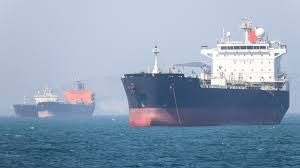
The ceasefire, in place since April 8, ended weeks of US and Israeli strikes on Iran, which had responded with attacks across the Middle East and by largely closing the Strait of Hormuz, a critical artery for global oil and gas shipments. Since the strait’s partial shutdown following the war’s outbreak on February 28, approximately 1,500 ships and 20,000 international crew members have been stranded in the Gulf region, according to Arsenio Dominguez, Secretary-General of the UN’s International Maritime Organization.
Trump, who briefly launched a naval operation to reopen the strait to commercial traffic before standing it down citing negotiation progress, sharpened his warnings following Thursday’s clashes. “We’ll knock them out a lot harder, and a lot more violently, in the future, if they don’t get their Deal signed, FAST!” he posted on Truth Social.
The United Arab Emirates separately confirmed its air defences were “engaging missile and drone attacks originating from Iran” on Friday.
Pakistani Prime Minister Shehbaz Sharif had struck an optimistic note before the latest clashes, saying he “firmly believed” the ceasefire would become a long-term arrangement. Inside Iran, however, public sentiment remained sceptical. “Neither side in these negotiations is really capable of reaching an agreement,” Shervin, a 42-year-old Tehran-based photographer, told AFP reporters in Paris via message.
Separately, a US State Department official confirmed new Israel-Lebanon talks would take place on May 14 and 15, the third such meeting between the two countries, which have no diplomatic relations. US Secretary of State Marco Rubio described a peace deal as “eminently achievable.”
Lebanon’s health ministry reported at least 12 people killed in Israeli airstrikes on Thursday.