
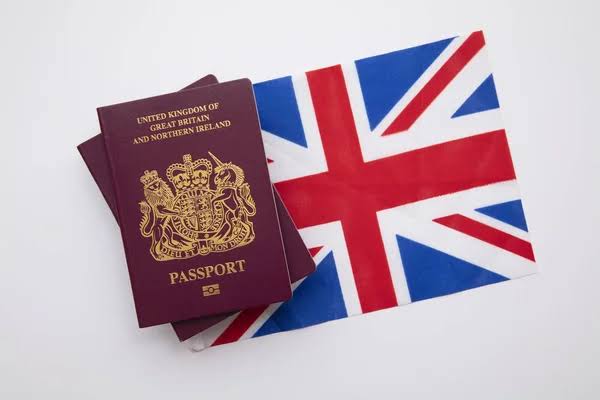
There are several established pathways through which people can become eligible for British citizenship, depending on their immigration status, family connections and individual circumstances. According to UK government guidance, most adult applicants proceed through naturalisation, while others may qualify by registration. The rules are set out primarily in the British Nationality Act 1981 and related Home Office policies.
Being born in the United Kingdom does not automatically confer British citizenship. Eligibility depends on the date of birth and the immigration or nationality status of the parents at the time. Some people born in the UK who did not acquire citizenship automatically may still be able to register later under specific provisions.
Those married to, or in a civil partnership with, a British citizen can usually apply for naturalisation after three years of qualifying residence in the UK. Unlike the standard route, they are generally not required to wait an additional 12 months after obtaining permanent status before applying, provided they hold indefinite leave to remain or equivalent settled status at the time of application.
People who hold indefinite leave to remain can normally apply for citizenship after keeping that status for 12 months, subject to the overall five-year residence requirement and other conditions such as good character, knowledge of English and the Life in the UK test. The standard naturalisation route for those not married to a British citizen requires five years of lawful residence.
Irish citizens living in the UK may naturalise after meeting the five-year residence requirement. Holders of settled status under the EU Settlement Scheme follow a similar path to those with indefinite leave to remain, usually needing to have held settled status for 12 months before applying, unless they are the spouse or civil partner of a British citizen. Some people with pre-settled status may also qualify if they meet the relevant residence and activity criteria linked to living in the UK by the end of 2020.
Having a British parent can open a registration route, depending on the parent’s type of British nationality and the applicant’s circumstances. Separate provisions cover those who already hold another form of British nationality or whose parent holds British overseas territories citizenship. The precise rules vary according to the family connection and the form of nationality involved.
British nationality law also provides for special circumstances. These include certain stateless people, individuals who previously renounced British citizenship and applicants with historic or legal connections to the United Kingdom. A specific route exists for direct descendants of people born in the British Indian Ocean Territory, known as Chagossian descendants.
Some Commonwealth citizens may qualify under the Windrush Scheme if they or a parent arrived in the UK before 1973 and meet the residence requirements. Others may hold a right of abode, which allows them to live and work in the UK without immigration restrictions and can support a citizenship application.
In all cases, applicants must satisfy additional requirements. These typically include being of good character, demonstrating sufficient knowledge of English (or an approved language) and passing the Life in the UK test, unless exempt. Residence must generally be lawful, with limits on absences from the UK during the qualifying period. Naturalisation remains a discretionary process exercised by the Home Office.
The pathways reflect the structure of UK nationality law, which balances residence-based naturalisation with family and historical connections. Anyone considering an application is advised to check the latest official guidance, as individual circumstances and Home Office policy can affect eligibility. Dual citizenship is permitted under UK rules.