
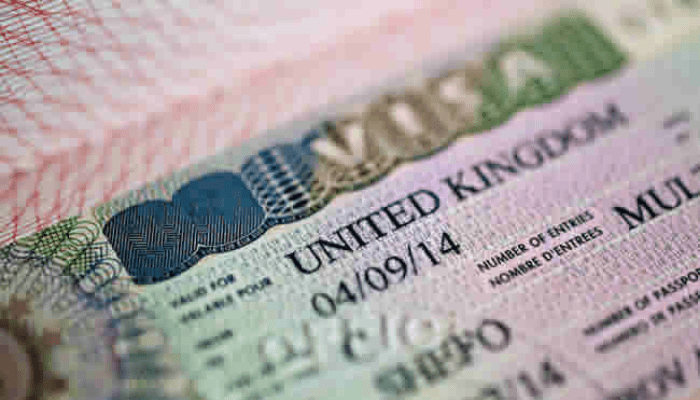
United Kingdom Visas and Immigration rejected 84 per cent of prospective Nigerian students called for credibility interviews between May and October 2026, according to a sector briefing paper obtained by The PIE News and reported on Saturday, 28 November 2026. The data places Nigeria third highest among countries facing post-interview refusals—and makes it the only African nation among the six worst-affected nationalities.
Across all international cohorts summoned for interviews during the six-month window, UK caseworkers rejected 9,043 out of 11,415 applicants, representing an overall refusal rate of 79 per cent. Nepal recorded the highest post-interview rejection rate at 92 per cent, followed by India at 89 per cent and Nigeria at 84 per cent, while Bangladesh and Sri Lanka tied at 79 per cent and Pakistan posted 73 per cent. Alongside the steep failure rate, the proportion of Nigerian applicants selected for interviews tripled from 7 per cent in 2025 to 21 per cent in 2026 as British authorities tightened risk screening.
Caseworkers cited recurring credibility gaps rather than missing paperwork as the primary driver behind the rejections. Applicants frequently struggled to articulate why they chose the United Kingdom over domestic options, failed to demonstrate basic knowledge of their chosen university or course modules, or presented vague post-study career plans. Broader Home Office figures released this week show that overall UK study visa refusals reached their highest third-quarter rate in a decade while application withdrawals surged, as British universities aggressively screen candidates to protect their sponsorship licences.
An 84 per cent rejection rate among interviewed Nigerians does not mean four in five total applicants were turned away, since most students still receive decisions without an interview. However, once a Nigerian file is flagged for additional scrutiny, a summons to interview now functions almost like a pre-rejection notice. Prospective students relying on coaching scripts or superficial agent summaries face near-certain refusal unless they can defend their academic choices and financial backing in detail.