
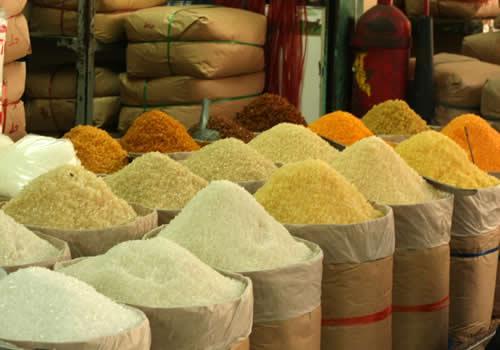
Millions of Nigerian households marked World Food Day on Friday by cutting daily meals as rocketing staple prices outpace family earnings across the country. Official data and field reports show that macroeconomic shocks, currency devaluations, and soaring diesel costs have pushed basic staples far beyond the reach of ordinary wage earners. Empty pockets empty dinner plates quickly. The International Monetary Fund warned that surging food costs will plunge more citizens into extreme poverty despite modest headline growth figures, mocking official claims of an agricultural turnaround.
Across rural agrarian belts from Kebbi to Benue, farmers burn or dump millions of tonnes of crop residues while agricultural processors import expensive synthetic inputs from abroad. Agricultural experts point out that the country squanders its natural biocircular advantages by failing to convert local crop waste into low-cost organic fertilisers and animal feed. Wasteful practices trap smallholders in debt. Instead of building decentralised processing plants near farming clusters, federal policymakers continue chasing capital-intensive import schemes that drain foreign currency reserves without raising farm output.
Decades of heavy reliance on dangerous synthetic farm chemicals have created an unspoken public health emergency across rural farming communities. Smallholders spray hazardous pesticides on grain crops without protective gear because agricultural extension agents fail to distribute proven, low-cost bio-organic alternatives to remote villages. Toxic chemicals poison rural water tables. Health specialists now urge authorities to redirect public funds from treating chronic chemical illnesses toward subsidising farmers who grow clean, organic produce for local markets.
Mounting public suspicion over the rushed introduction of genetically modified crops and livestock strains has deepened divisions among domestic agricultural stakeholders. Organic farming advocates warn that importing patented seeds and hybrid livestock breeds surrenders national food sovereignty to foreign agribusiness monopolies. Imported seeds demand costly chemical inputs. Veteran agriculturalists insist that Nigeria already possesses robust indigenous crop varieties that flourish under local weather conditions without expensive, lab-engineered foreign seed royalties.
Federal authorities celebrate abstract agricultural growth targets in Abuja while rural food insecurity spreads into urban working-class neighbourhoods. Small-scale farmers abandon fertile fields because armed banditry and dilapidated feeder roads turn harvest haulage into a financial death trap. Unchecked rural insecurity kills food production. Ministers must fix regional transport links, secure rural farm settlements, and support local organic input production before chronic hunger triggers social explosions that no official relief handout can contain.