


Tehran Escalates Attacks as Jerusalem Blast Shakes Capital
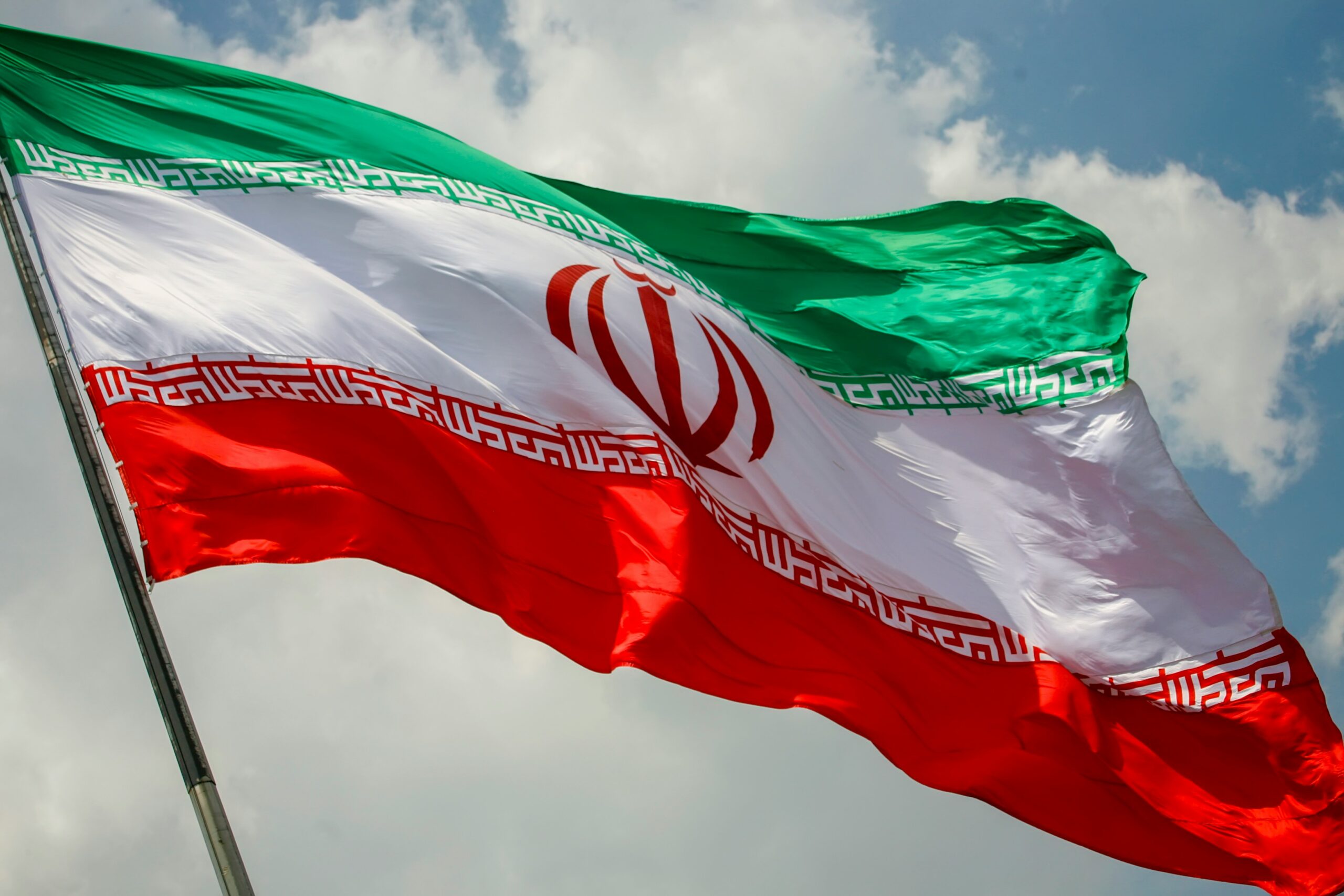
Iran launched a fresh salvo of ballistic missiles at Israel on Tuesday morning, ending a brief lull in the regional conflict. A loud explosion echoed across Jerusalem as the Israeli military worked to intercept multiple waves of incoming fire. State-run Iranian media claimed the projectiles successfully bypassed several layers of the “Iron Dome” and “David’s Sling” systems. Despite the noise and panic, the Israeli military cleared residents to leave shelters shortly after the initial blast. No deaths have been reported in the capital.
The latest strikes hit a residential building in northern Israel, causing significant structural damage. Video released by Magen David Adom emergency services showed smoke rising from the impact site, though paramedics confirmed there were no fatalities. In Tel Aviv, at least six people sustained light injuries from shrapnel and falling debris after an interception over the city centre. Emergency crews remain on high alert as the military detects further launches from Iranian territory. These attacks mark the sixth major wave of strikes since midnight.
This escalation follows a weekend of high-stakes diplomacy and military maneuvers between Washington, Tel Aviv, and Tehran. US President Donald Trump announced a five-day postponement of planned strikes on Iranian power plants, citing “productive” back-channel talks. Tehran has since denied that these negotiations took place, calling the reports an attempt to manipulate global oil markets. The Iranian parliament speaker dismissed the talk of a ceasefire as “fake news” intended to weaken their resolve. Oil prices, which briefly dipped on the news of a pause, have begun to climb again.
Israeli Prime Minister Benjamin Netanyahu confirmed he spoke with the US President, but remains committed to a dual-front war. He stated that Israel will continue to strike targets in both Iran and Lebanon to safeguard its “vital interests.” Overnight, Israeli jets pounded Hezbollah strongholds in southern Beirut, claiming to have captured senior members of the group. The military maintains that these gains in Lebanon and Iran provide the leverage needed for an eventual settlement. For now, however, the strategy remains one of maximum military pressure.
Regional stability continues to fray as Gulf states move closer to the fray. Reports suggest Saudi Arabia and the United Arab Emirates are nearing an active role in the coalition against Iran after allowing US forces to use their airbases. The ongoing maritime blockade of the Strait of Hormuz by Tehran has already disrupted global shipping and aviation. Several Asian nations, including the Philippines and Vietnam, are preparing to ground flights due to critical jet fuel shortages. The economic toll of the conflict is now felt well beyond the borders of the Levant.
The Central Bank of Nigeria is watching these developments with particular unease. While global crude prices have surged past $100 per barrel, the domestic economy remains hamstrung by production limits and debt obligations. Volatility in the Middle East typically drives up the cost of imported refined petroleum, threatening Nigeria’s recent gains in curbing inflation. Every missile fired over Jerusalem has a direct, albeit delayed, impact on the streets of Lagos. The “hard news” for the Naira is that global peace is currently a rare and expensive commodity.